
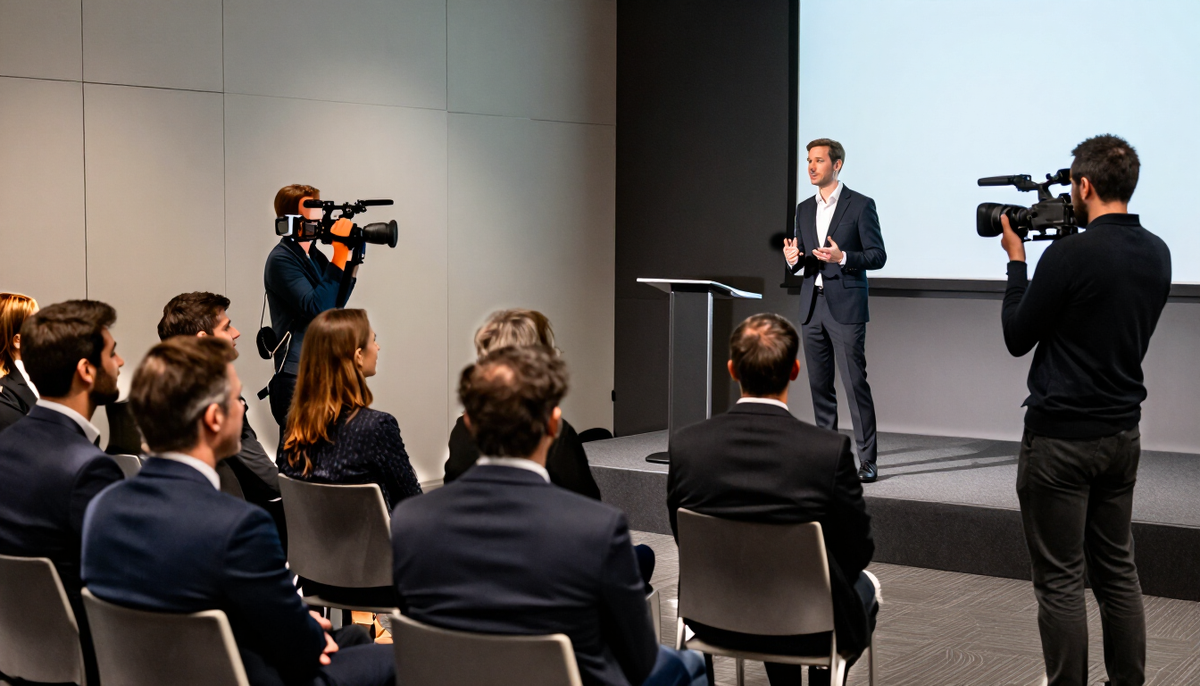
Events / Conferences / Photography
Conference photography in Connecticut
Conference photos have to do several jobs: show the scale, flatter the speakers and give sponsors something to share. Here is how photo coverage is planned so a busy day produces useful images.
Choosing the shots your event needs
Start with the shots you will actually publish. A website header needs a wide, full room. A speaker page needs a clean portrait of the person at the lectern. A sponsor recap needs the booth, the logo and people in conversation.
A short list of required shots, written before the day, lets the photographer cover those first and then move toward candid moments.
Light across different rooms
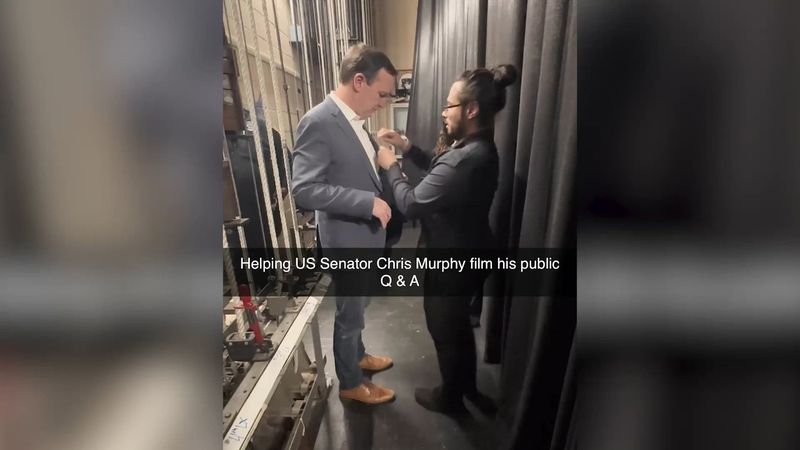
Ballroom with stage lighting
Strong light on the speaker, a dark audience. We expose for faces and avoid blown-out screens.
Breakout rooms
Often flat overhead light. Small rooms allow for closer, more natural frames.
Exhibit halls
Mixed lighting, bright booths and darker aisles. We balance for color and detail.
Windows and lobbies
Natural light helps for portraits and arrivals but changes during the day.
Evening receptions
Low light and color from decor. We plan lighting so faces stay clear and moods stay warm.
Questions before you decide?
Tell us what you want to make and where it will be used. We will talk through the plan with you.
Speaker portraits and on-stage photos
Speakers are on stage for a limited time. Ask the venue whether the photographer can stand in an aisle, the side of the stage or the back of the room. Each position gives a different frame and a different level of distraction.
If speakers want a quiet headshot, arrange a short window in the schedule, such as before a session or during a break. A simple corner with steady light works well. If this is a priority, headshot-style work is covered on the headshots page.
Candid coverage of the audience and hallway
Attendees remember conversations more than slides. Candid photos of people talking at coffee, comparing notes or laughing in the corridor show the real value of the event.
To keep these natural, the photographer stays unobtrusive and avoids interrupting. If someone seems uncomfortable, we move on. Organizers can help by letting attendees know a photographer is present.
Sponsor, exhibitor and branding images
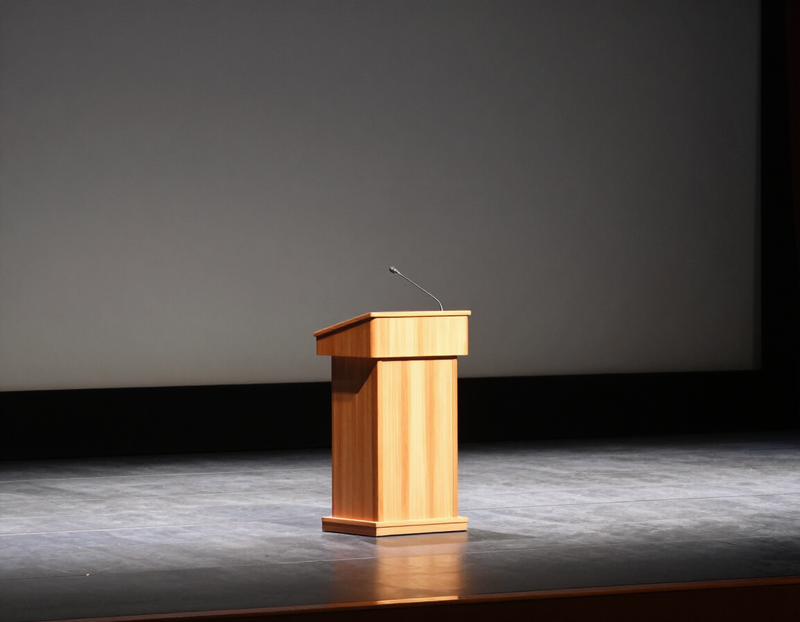
- Wide view of each booth with signage visible and uncluttered.
- Staff and visitors in conversation, not posed behind a table.
- Close-ups of products, demos or giveaways where permitted.
- Logos and banners in context, such as on stage backdrops.
- Group images for sponsor tiers if the organizer wants them.
Group photos and organizer images
Group photos at a conference are usually planned: board members, the organizing committee, award winners or a speaker panel. Give us the list and a time window, and ask someone on your team to gather people. A short list handled quickly keeps the day on schedule.
Candid group moments, such as a table laughing together, tend to look better than forced lines.
What the gallery can look like
A gallery is easier to use when it is organized for how you will use it. Common ways to sort include by session, by sponsor, by speaker and by social-ready moments. Ask for a structure that fits your team's workflow.
Full gallery
All edited images, sorted into folders.
Speaker selects
A smaller set of the strongest frames per speaker for quick sharing.
Social-sized images
Cropped for common platforms. Confirm sizes in the quote.
Sponsor folders
Images grouped by company, shared by link.
Delivery, rights and privacy
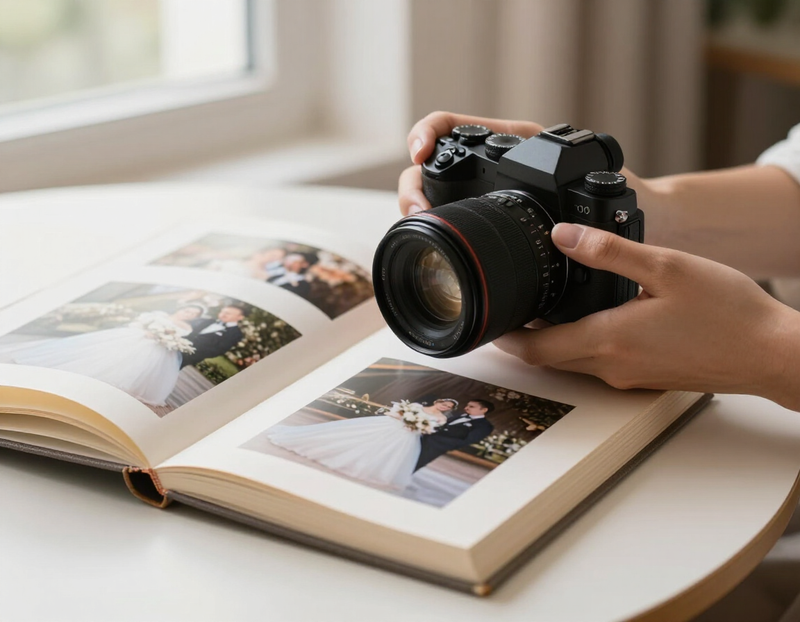
Decide with your team who may download images, whether the gallery is public or password protected and how long it stays online. Confirm usage rights, print needs and any attendee photos that should stay out of public use. These details go into the written quote.
For a look at past photography styles, browse the portfolio. For help with video, see the videography page.
What to ask on the first call
Bring these to the first conversation. The answers shape the coverage and the quote.
- A list of must-have shots, such as the main stage, sponsor booths and awards.
- The agenda and floor plan, including where each room is.
- Whether the photographer may use flash or must avoid it in sessions.
- Speakers who want portraits and the time window for them.
- The sponsor list and which sponsors expect specific images.
- Any attendee or speaker who should not be photographed.
- How you want the gallery organized and who needs access.
- Whether you need social-sized images and on which platforms.
Also see conferences videography
Conferences videography
Conference video extends the life of the event. Speaker recordings and a highlight film let people who missed it see what happened and why it is worth attending next time.
How videography works
Other events we cover
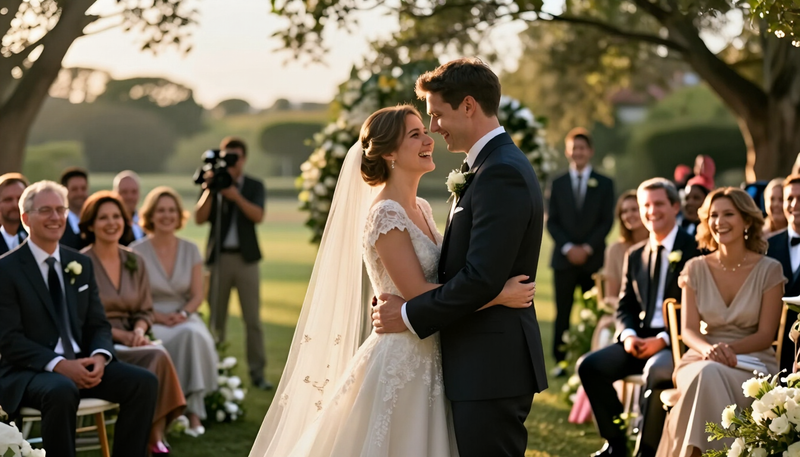 WeddingsPhotos and film that hold on to the people, the promises and the small moments of your day.
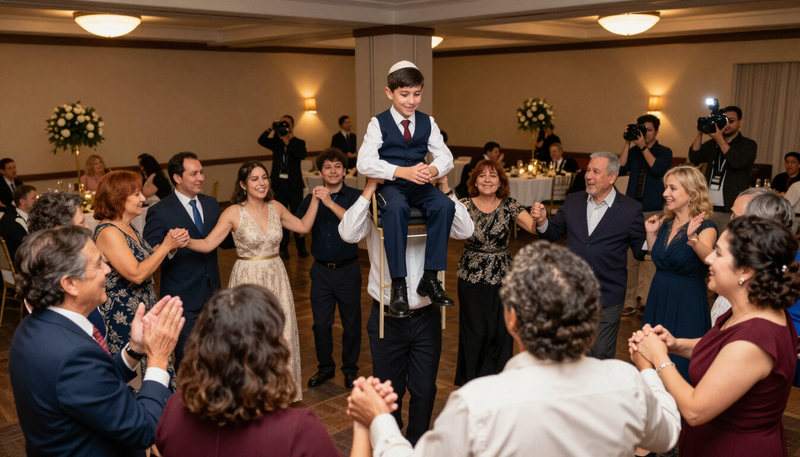 Bar and Bat MitzvahsCoverage of the service, the celebration and the milestone moments that make the day a family memory.
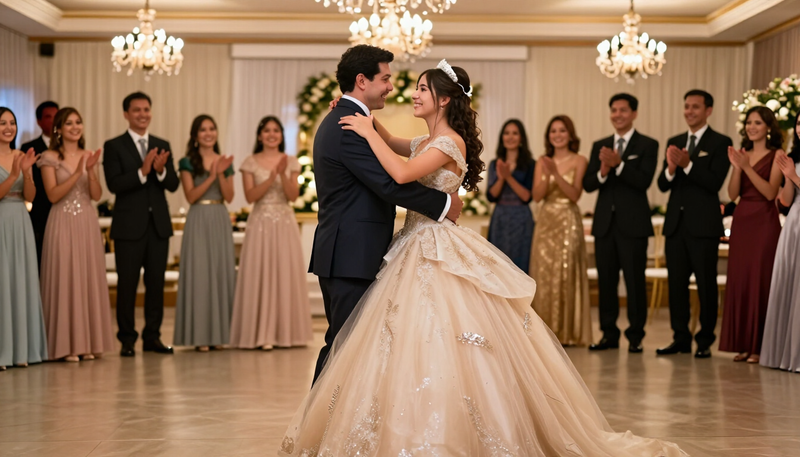 QuinceañerasPhoto and film of the traditions, the dances and the celebration of a girl's fifteenth birthday.
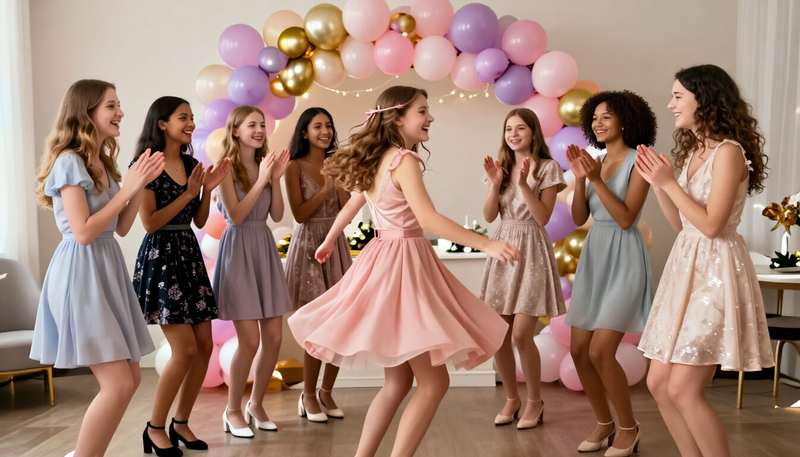 Sweet 16sFun, stylish coverage of a milestone party planned around the birthday teen and her friends.
 BirthdaysNatural, joyful coverage of birthday parties for kids, adults and milestone celebrations.
 GraduationsThe walk, the cap toss and the hugs that follow.
 Bridal showersThe laughter, gifts and games before the big day.
 Baby showersGifts, games and the first glimpse of a growing family.
 AnniversariesYears together, told through people and stories.
 Holiday partiesSeasonal gatherings, from family dinners to company parties.
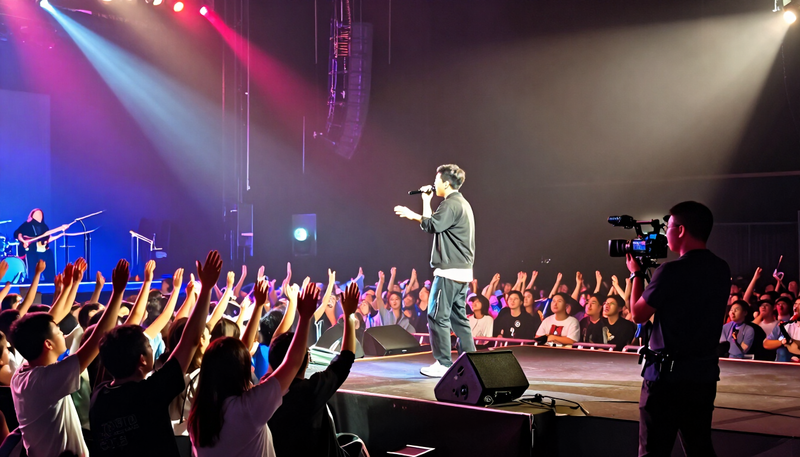 ConcertsCapture the energy of the stage and the crowd in front of it.
 PromsRemember the night with portraits, dancing and the details.
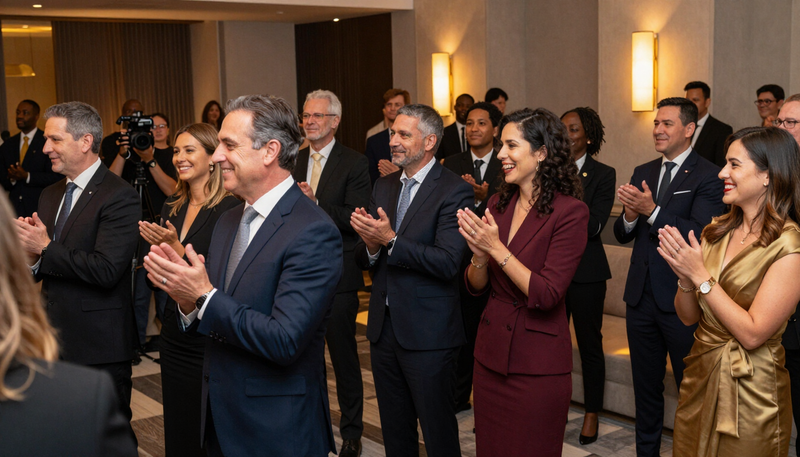 Corporate eventsDocument company milestones, launches and team gatherings.
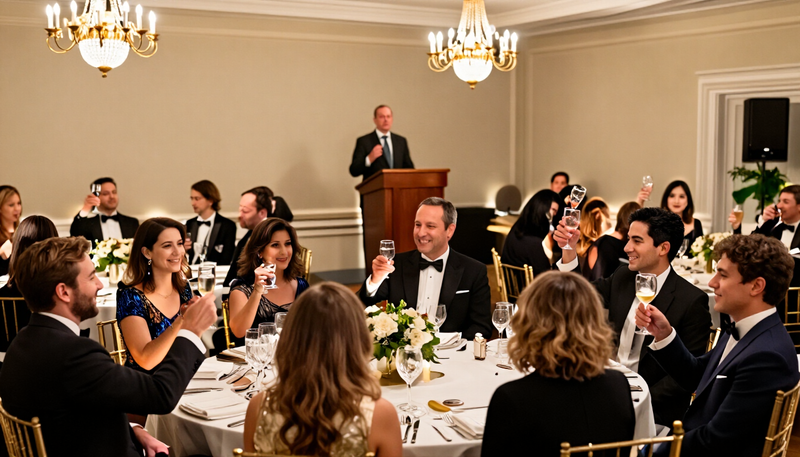 Fundraisers and galasTell the story of your cause and thank the people who gave.
Common questions
Can you shoot without flash during sessions?
Yes, that is the usual approach in sessions. We plan for the room's available light and ask the venue if there are any restrictions. Flash may be used at receptions or portrait stations if the organizer agrees.
How do you handle low light in a dark ballroom?
We use equipment and settings suited to dim rooms and expose for the speaker's face. A conversation with the AV team about stage lighting helps us plan before the doors open.
Can speakers get their photos right after their session?
Quick selects can be an option to discuss. Whether it is possible depends on the schedule, the editing plan and the quote. Confirm what you need in writing before the event.
Will you take photos of every attendee?
No. Coverage focuses on the moments and people in the plan, plus candid scenes. If you need each attendee photographed, a portrait station is a different setup that should be planned separately.
Can we share the images with sponsors and on social media?
That is usually the goal. Confirm usage rights, how sponsors receive their images and any rules about attendee faces before delivery.
What if the venue limits where the photographer can stand?
We ask for the venue's rules in advance and plan positions accordingly. If a restriction affects coverage, we talk it through with you rather than guessing on the day.
Ready to plan your conference photography?
Tell us what you want to make and where it will be used. We will talk through the plan with you.
Keep exploring
Tell us what you want to make.
Email tyler@legendphotoandfilm.com or call 860-255-8802.
Talk about your project