
Connecticut weddings
Connecticut wedding photography and videography
Most couples start with one question: do we need photos, a film, or both? This page helps you decide, and shows how a single team can cover both without crowding your day. When you know your direction, the photography and videography pages go deeper.

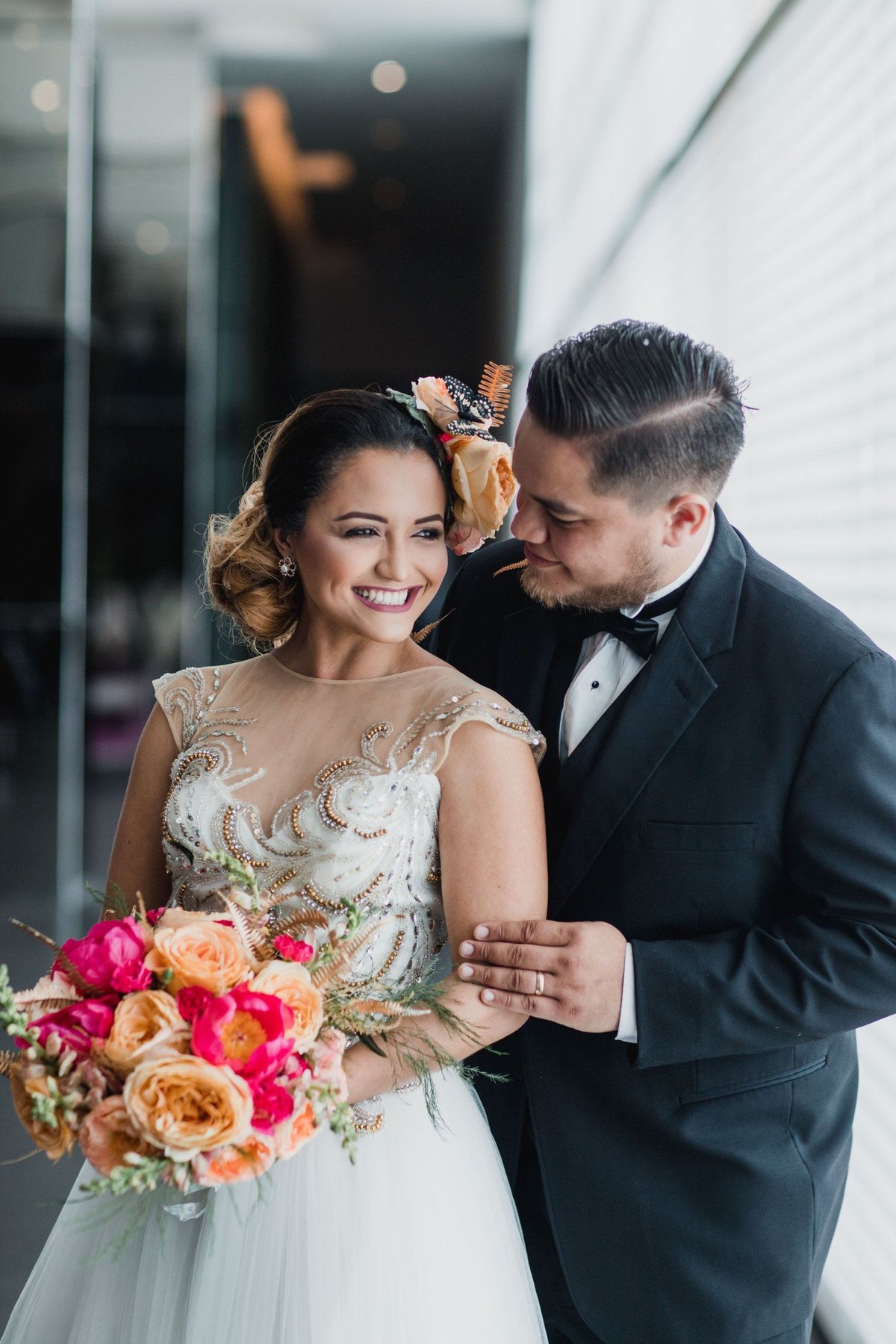
Illustrative wedding portrait 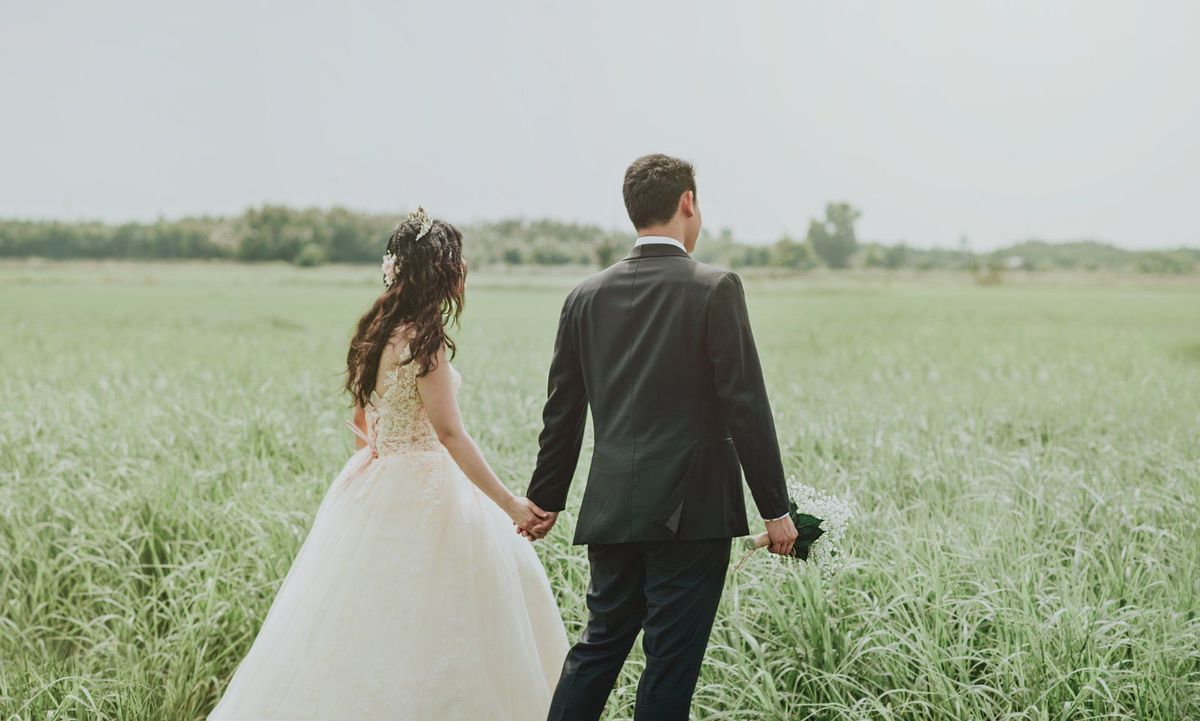
Illustrative outdoor portrait 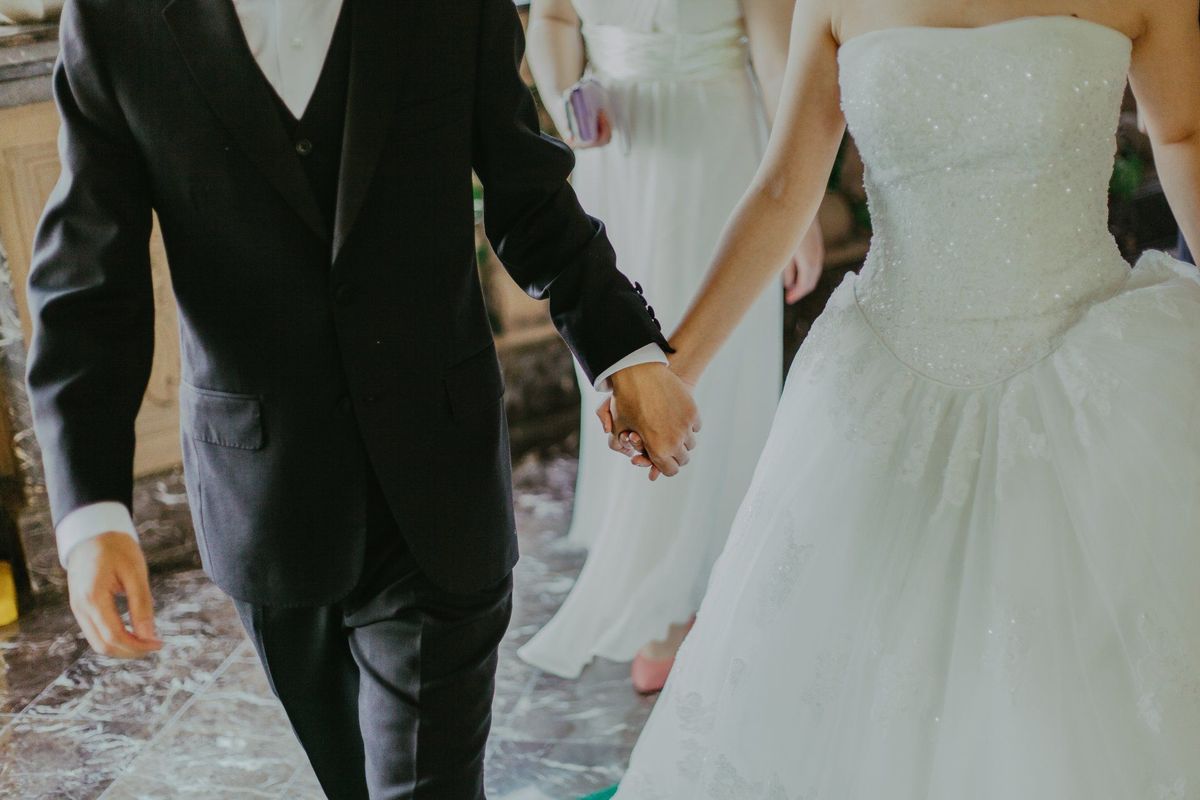
Illustrative walk into the reception
Plays only when you press play. Open the video in a new tab (opens in a new tab)
“We ended up with almost 1000 photos and a beautiful highlight video.”
One team
One team, one timeline
Photos and film are planned together, so the schedule, the family groups and the quiet moments are agreed once. We stay out of the way during the ceremony and direct only a few portraits.
Choosing between photos, film or both
There is no correct answer, only the one that fits your priorities and your guest list. It helps to think about what you will want to open in five years, and what you want to hand to your parents.
Photography only
A good fit if you want a gallery to print, frame and share, and you are happy to remember sounds and movement from your own memory.
Film only
A good fit if hearing the vows, the toasts and the room matters most to you, and a few stills from guests feel like enough.
Both from one team
A good fit if you want the stills and the sound, and would rather hold one conversation, one timeline and one set of introductions to your families.
What stills keep and what film keeps

A photograph holds a single instant and lets you look at it for as long as you like. It is the format for a wall, an album, a card to grandparents and a quick look on a phone.
A film holds time. It keeps your officiant's voice, the crack in someone's toast, your dad's laugh and the way the music built when you walked in. These are the things people most often say they wish they could replay.
Neither format replaces the other. If a budget forces a choice, ask which one you would regret not having, then say so on the first call and we can talk it through.
How one team shares a single timeline
When photo and film come from one studio, we plan them together from the start. That means one timeline, one list of family groupings, and one agreed plan for who stands where during the ceremony.
- We agree in writing before the day who is responsible for which moments.
- We plan positions so the camera and the video do not block each other or the guests.
- We ask your venue and officiant where equipment may go before we arrive.
- We share the schedule with your planner or day-of coordinator, if you have one.
Where photo and film need the same minutes
Some parts of the day are easy to cover for both. Others compete for the same few minutes, so it helps to decide ahead where each team member gives way.
The ceremony
Both need a clear view, and the film also needs clean sound. Agree on positions with your officiant and venue early.
Portraits
Stills usually lead here. Film can follow with short, natural moments, so build a window that works for both.
Toasts and speeches
Film leads, because the audio matters. Photography watches faces, so the room as well as the speaker is covered.
Exits and send-offs
These happen once. Plan the staging with both in mind so neither has to guess.
What shapes a wedding quote in general terms

Every wedding is quoted for its own plan. The pieces below are usually what move a quote up or down, and we confirm each one in writing before the day.
- How long you want coverage, and which parts of the day it should include.
- Whether you want photography, film or both.
- The number of locations and the distance between them.
- Optional extras such as a second shooter, drone footage, additional edits or prints.
- The size of the guest list and how much of the day is formal.
Deliverables to settle early
Think about what you want in hand and who needs a copy. These are options to discuss, not a fixed list.
- An online gallery, printed images, an album, or some mix.
- A short highlight film, longer ceremony and toast edits, or social clips.
- How files are shared with family, and in what formats.
- Whether anything should stay private or off social media.
Guests, privacy and ceremony rules

Venues and officiants set their own rules about where cameras can stand and whether a ceremony can be filmed or recorded. Check with them early, then tell us what applies.
If some guests prefer not to be photographed or posted online, tell us ahead and decide with your families how files are shared. Children and older relatives are often part of this conversation.
Where to go next
If you lean toward stills, the photography page covers galleries, portraits and light. If you lean toward film, the videography page covers audio, edits and screening. If you want the full picture, you can read both.
What to ask on the first call
Bring these to the first conversation. The answers shape the coverage and the quote.
- Your date, ceremony location and reception location, and the travel time between them.
- A rough timeline, even if it is only a first draft.
- Whether you are leaning toward photos, film or both, and why.
- Rules from your venue or officiant about cameras, audio or lighting.
- Your planner or day-of coordinator, if you have one.
- A list of family groupings and any sensitive family situations to know about.
- Which parts of the day matter most to you, and which can be lighter.
- Who should and should not appear online.
More wedding films
Two more Legend wedding films
Press play to watch.
Wedding Highlight Video at Maneely's. A Legend wedding highlight video. Open on Vimeo (opens in a new tab)
Jessica + Adam Wedding Highlight Video in 4K. A Legend wedding highlight video. Open on Vimeo (opens in a new tab)
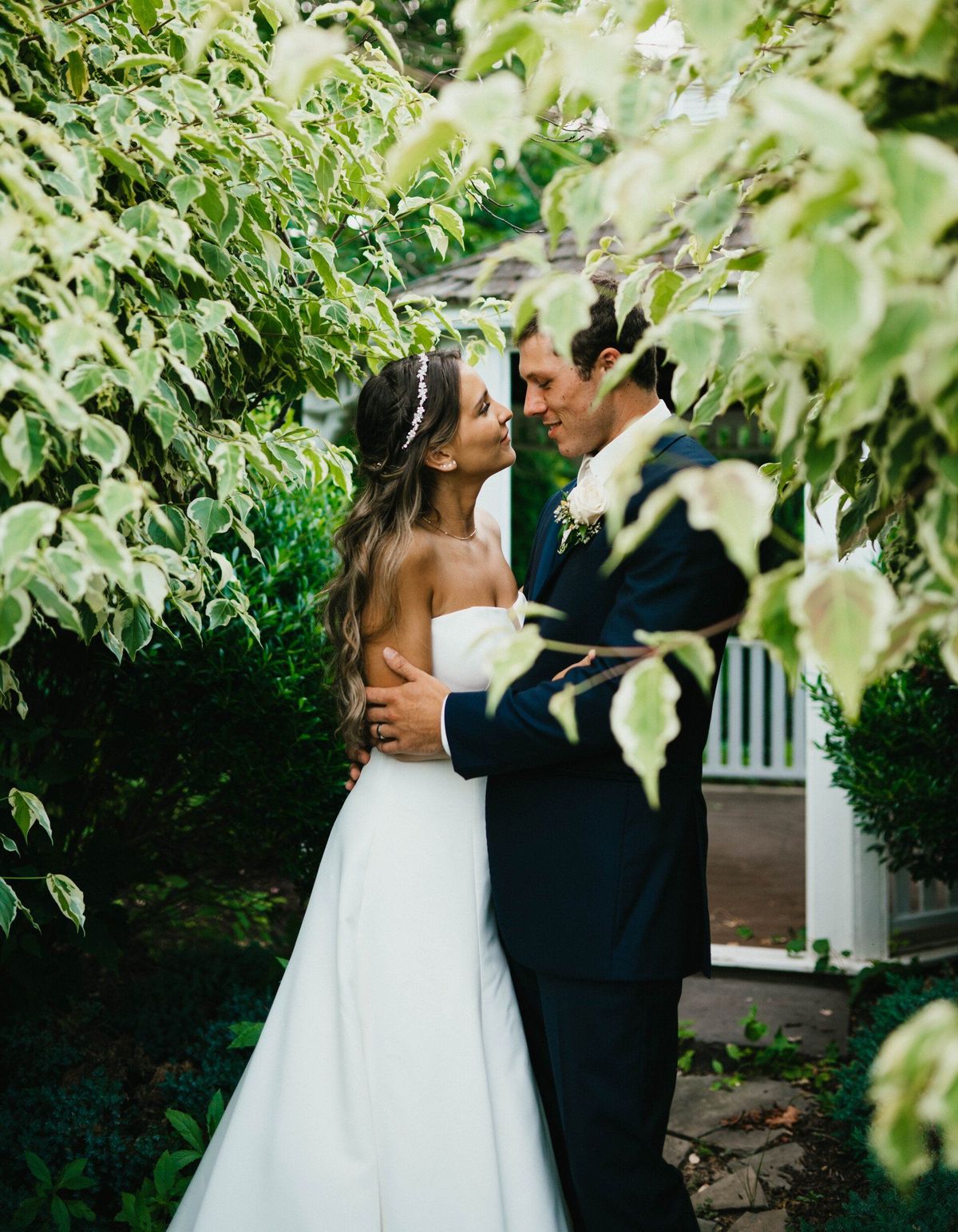
Portraits that still feel like you
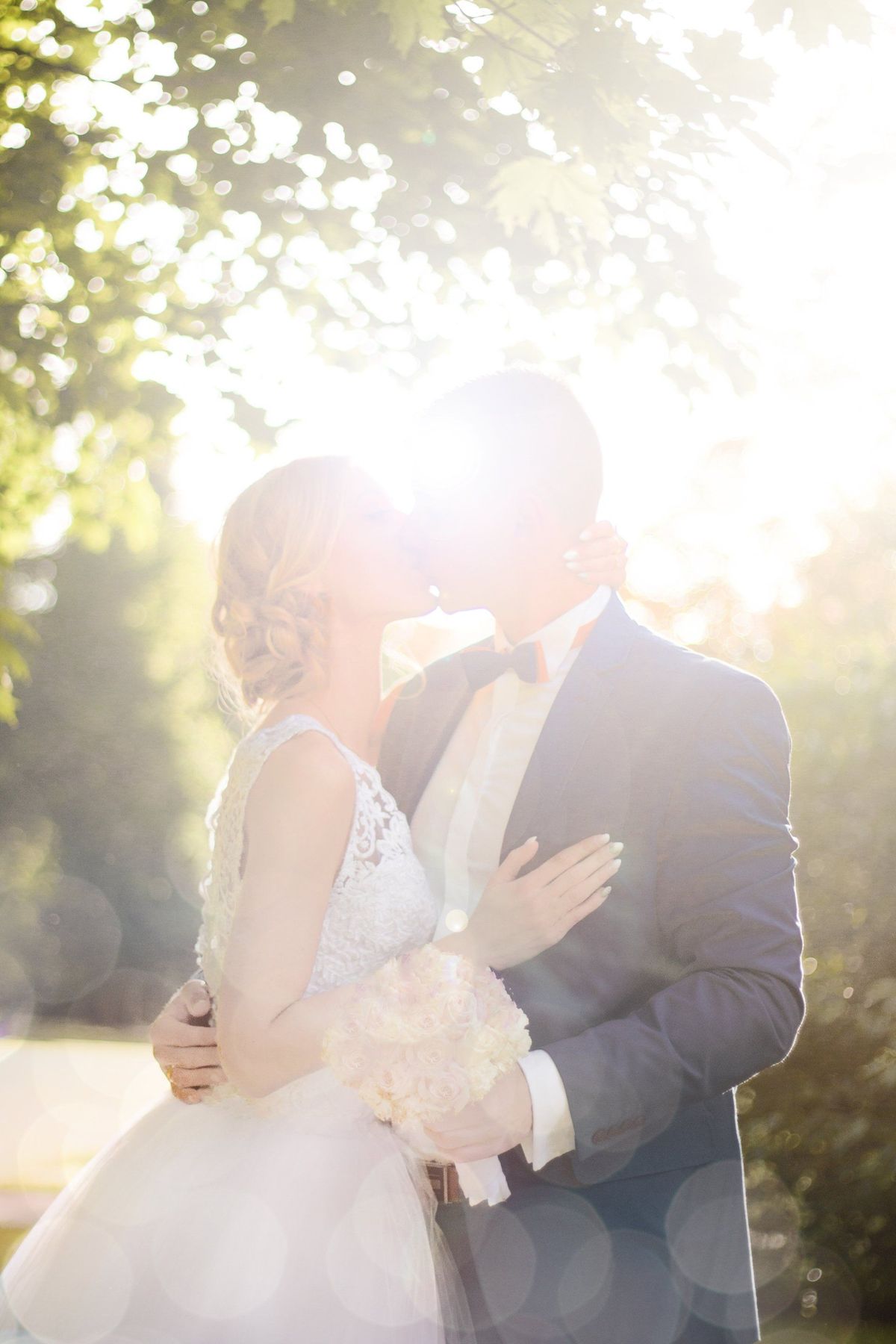
A short, relaxed portrait session gives you clean images of the two of you. Everything else, from getting ready to the reception, is captured candidly.
A film that keeps the sound
Vows, toasts, laughter and music are part of the memory. The film is edited around the moments you care about most, and the photos cover the details a film passes over.
Choose your coverage
Photos, film or both
Photos
Coverage from getting ready to the reception, with portraits of the two of you.
Wedding photographyFilm
A highlight film and, if you want, longer edits of moments such as the ceremony or toasts.
Wedding videographyBoth
One team planning the photo and film coverage together around your schedule.
Photo and film together
What you receive depends on the coverage you choose. We go through the deliverables with you and confirm them in writing before the wedding. Quotes are given per wedding.
How planning works
- 1
Tell us your date and venue
Send your details and whether you want photos, film or both.
- 2
Talk it through
We discuss your vision and schedule so you can see if we are the right fit.
- 3
Confirm in writing
Coverage and deliverables are put in writing.
- 4
Plan with your venue
We coordinate with your venue and planner, if you have one, before the day.
Google reviews
What couples say
“We ended up with almost 1000 photos and a beautiful highlight video.”
Google review, Wedding photo and video, Nov 2024
“The final product was exactly what I asked for and more.”
Google review, Wedding video
“Tyler was our photographer, and he did an amazing job making both of us feel completely comfortable in front of the camera.”
Google review, Engagement session
Questions couples ask
- Can we start with photography and add film later?
- Ask early. Adding film after the timeline is set can change positions and the plan, so tell us if you are even half considering it.
- Will photography and film get in each other's way?
- We plan positions and moments together to avoid that. The timeline is shared, and we agree who leads each part before the day.
- Do we need a planner to book both?
- No. A planner helps with coordination, but we can work from your own timeline and talk directly with your venue.
- Can we choose one hero moment for extra focus?
- Yes. Tell us what matters most, whether it is the first look, the vows or the toasts, and we will plan the coverage around it.
- What if our plan changes close to the date?
- Send us the update as soon as you know. We adjust the plan and confirm any changes in writing.
- Can guests see the work before we choose?
- Our portfolio shows real wedding photography and films, so you can judge style and pacing before deciding.
Is your date available?
Tell us your date and venue and we will talk through photo, film or both.
Wedding venue guides and planning pages
- Bridal shower photographyCandid and posed photos of the party before the wedding, with the details you planned.
- Castle wedding venues in ConnecticutWhat to look for in a castle-style venue, and four Connecticut examples.
- Wedding photo and video packages in ConnecticutHow one team covers both photo and video, and what a package can include.
- Banquet hall wedding venues in ConnecticutSix ballroom-style venues and how indoor light, staircases and dance floors affect photo and film.
- Barn wedding venues in ConnecticutTwelve barn and farm venues, with notes on natural light, weather plans and golden-hour portraits.
- Mansion wedding venues in ConnecticutEight historic estates and how staircases, lawns and fireplaces work for wedding photo and film.
- Outdoor wedding venues in ConnecticutNine gardens, hilltops, lakes and estates, and how open-air light shapes wedding photo and film.
- Rustic wedding venues in ConnecticutFour vineyards and farm-style venues, and how wood, vines and golden light affect your wedding photos.
- Waterfront wedding venues in ConnecticutEleven coastal, lakeside and riverside venues, and how water light affects wedding photo and film.
- The Webb Barn wedding photo and videoHow The Webb Barn can photograph and film, with planning notes.
- Tyrone Farm wedding photo and videoHow Tyrone Farm can photograph and film, with planning notes.
- Winvian Farm wedding photo and videoHow Winvian Farm can photograph and film, with planning notes.
- Candlelight Farms Inn wedding photo and videoHow Candlelight Farms Inn can photograph and film, with planning notes.
- The Barns at Wesleyan Hills wedding photo and videoHow The Barns at Wesleyan Hills can photograph and film, with planning notes.
- Saltwater Farm Vineyard wedding photo and videoHow Saltwater Farm Vineyard can photograph and film, with planning notes.
- Priam Vineyards wedding photo and videoHow Priam Vineyards can photograph and film, with planning notes.
- Preston Ridge Vineyard wedding photo and videoHow Preston Ridge Vineyard can photograph and film, with planning notes.
- Jonathan Edwards Winery wedding photo and videoHow Jonathan Edwards Winery can photograph and film, with planning notes.
Wedding blog posts
Wedding planning posts
Practical reading on wedding video costs, writing vows for camera, questions to ask a photographer and planning coverage for your day.
- Blog postHow much does wedding videography cost in Connecticut?What affects the price of a wedding film and how to budget for it.Read the post
- Blog postHow to write wedding vows that sound amazing on videoWriting and delivering vows that come across clearly on a wedding film.Read the post
- Blog postWedding teaser vs. highlight vs. full-length filmWhat each wedding film format is, what it usually includes, and how to decide which ones you want.Read the post
- Blog postWedding videography packages: what's included and what to askA buyer's checklist of what a package usually covers, what can be added, and the questions to ask before you sign.Read the post
- Blog postQuestions to ask your wedding photographer before the weddingTwelve questions about venue, style, packages, timeline, family photos, backups, editing and delivery.Read the post
- Blog postTimeline tips: helping your videographer capture everythingHow filming and audio logistics shape a wedding schedule: setup time, first look, golden hour, speeches and buffers.Read the post
- Blog postWedding video shot list: must-have momentsA checklist of moments to talk through with your videographer, from getting ready to the last dance.Read the post
- Blog postWedding videography vs. DIY videoThe real tradeoffs of a friend filming your wedding compared with hiring a professional videographer.Read the post
- Blog postWedding videography vs. photography: do you need both?What photos and film each do, how to choose one or both, and how to budget for it.Read the post
- Blog postWhen to book a wedding photographer and videographerGeneral timing for booking photography, video or both, and how to avoid last-minute stress.Read the post