
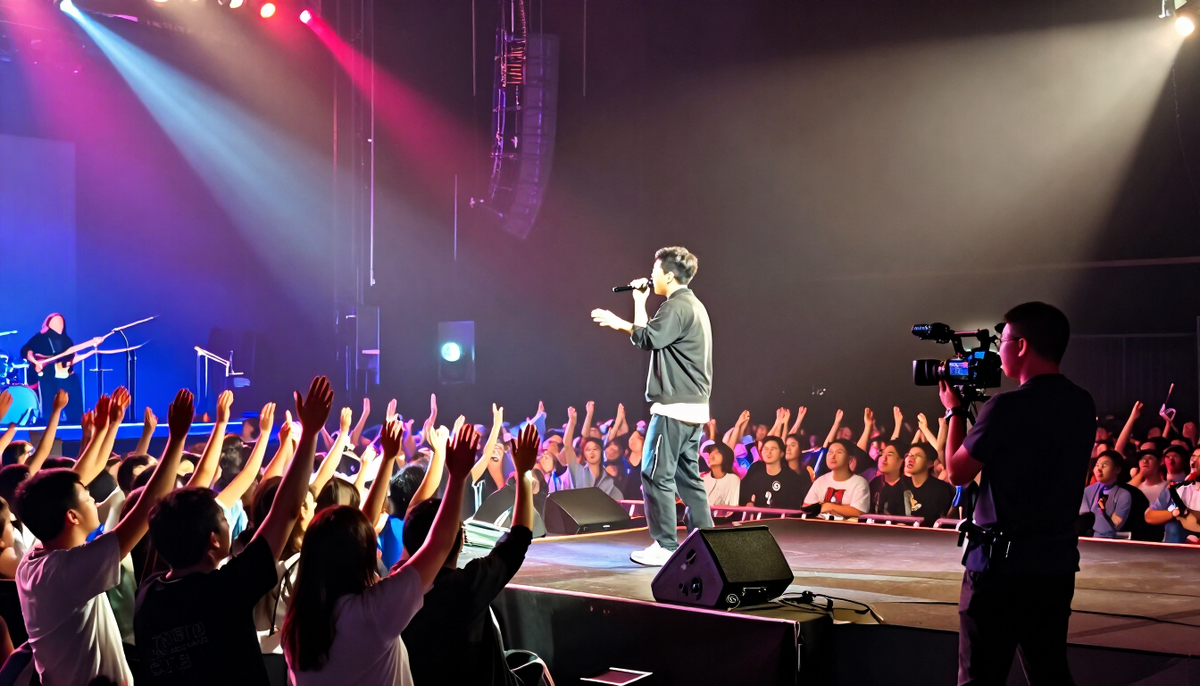
Audio is the first decision
Feed from the mixing desk
A clean feed from the venue's sound engineer can give a cleaner mix. It requires permission and a connection point, so ask early.
Room microphones
Recording the room captures the crowd and the atmosphere, though it can blur at high volume. We use it either alone or mixed with a desk feed.
Camera audio only
This is a fallback. In a loud room, camera microphones can distort, so we avoid relying on them for anything you want to publish.
Separate recording from the artist's team
Some artists record their own multitrack. If so, ask whether it can be shared for the edit.
Camera positions and movement

A wide camera that never moves gives a safe record of the whole stage. A second angle closer in shows the performer. Moving cameras add energy but need room, and venues may restrict movement in crowded spaces.
The number of cameras and operators is something to confirm in the quote and to check against the venue's rules. We will plan positions based on the layout.
Questions before you decide?
Tell us what you want to make and where it will be used. We will talk through the plan with you.
Filming in stage light
Video camera sensors struggle with strobes and heavy color changes. Rapid shifts can leave faces too dark or too bright. We talk to the lighting person where we can, and plan to expose for the performer's face.
If the show uses a big LED wall, ask whether it flickers on camera. We will test before the set starts if time allows.
Edit formats
Full song or set
A multi-angle cut of one song or a full set, suitable for the artist's channel, subject to rights.
Promo reel
A short, paced piece for booking agents and sponsors.
Social clips
Short vertical or square cuts for posts. Specify the platforms you use.
Event recap
A venue or promoter piece that shows the room, crowd and highlights.
Pacing the edit to the music
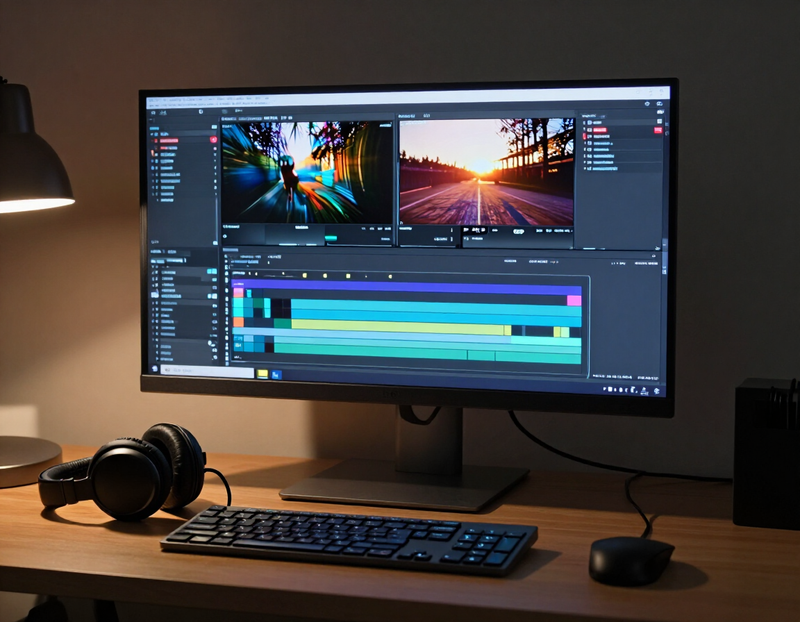
Concert edits work best when cuts follow the music. We pick moments with the strongest performance and audience reaction, and avoid cutting through a phrase or a drum fill. We will ask which songs are most important and whether you want the full run of a song kept intact.
Music rights and performers' permission
Songs performed on stage may belong to the artist, to a publisher or to others. Publishing a video of a performance, particularly with cover songs, can involve rights that need to be cleared. We do not give legal advice, so confirm with the artist, venue or promoter, and ask them what is permitted before you post.
Also get the artist's approval to be filmed, and ask about any release for audience members.
Reviewing and approval
Artists and promoters often want to see the cut before it goes public. Agree on who reviews it, how feedback is given and what happens to clips that show the audience. A single point of contact keeps the process clear, and we confirm the review steps in the written quote.
Files, sharing and playback

Decide how the footage will be shared. A private review link works for approvals, then final files for publishing. Discuss formats for the web, for venue screens and for archive. A venue that wants to play a recap on a lobby screen may need different files than a social post.
What to ask on the first call
Bring these to the first conversation. The answers shape the coverage and the quote.
- Can the venue provide a desk feed, and who is the sound contact?
- Where cameras may stand and whether they may move
- Lighting: strobes, LED wall, heavy color
- Which songs or moments matter most
- Edit formats wanted and where they will be posted
- Artist or label approval needed
- Plans for music and rights
- How footage will be reviewed and shared
Also see concerts photography
Concerts photography
Stage lighting changes by the second, so concert photography is about patience and timing. We look for the shot that shows the performer and the feeling in the room.
How photography works
Other events we cover
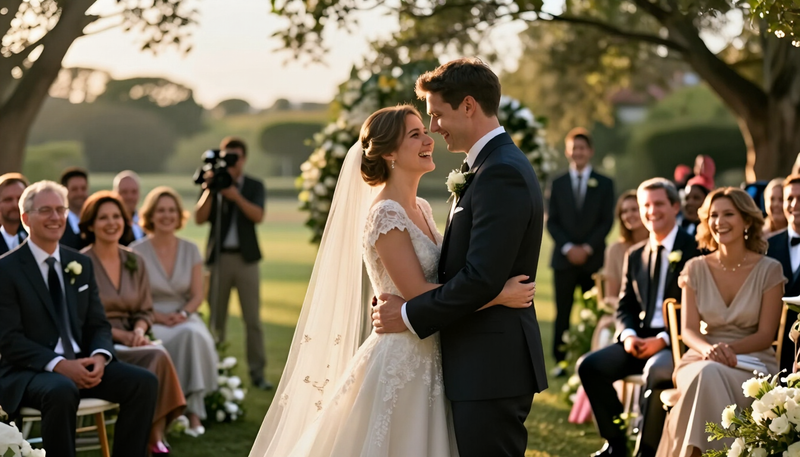 WeddingsPhotos and film that hold on to the people, the promises and the small moments of your day.
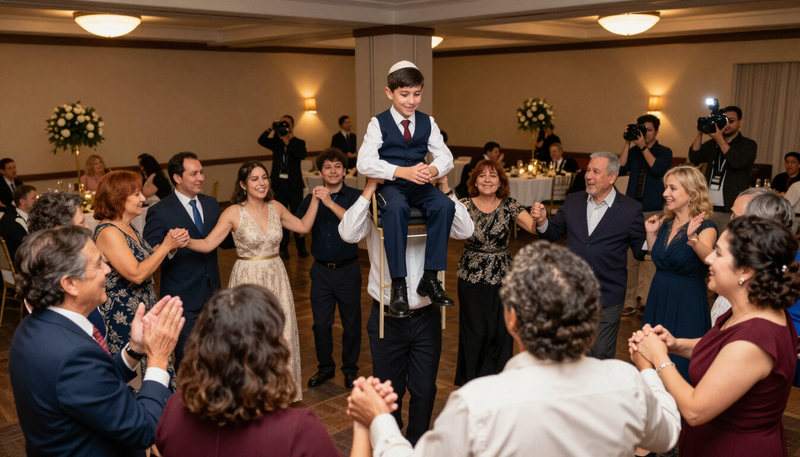 Bar and Bat MitzvahsCoverage of the service, the celebration and the milestone moments that make the day a family memory.
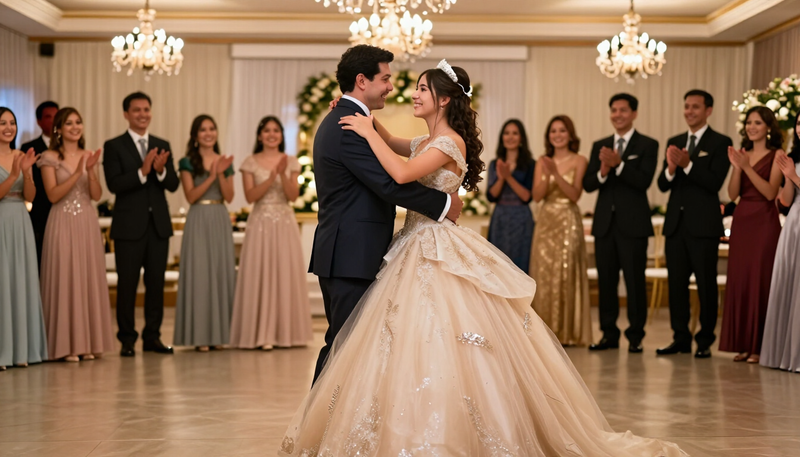 QuinceañerasPhoto and film of the traditions, the dances and the celebration of a girl's fifteenth birthday.
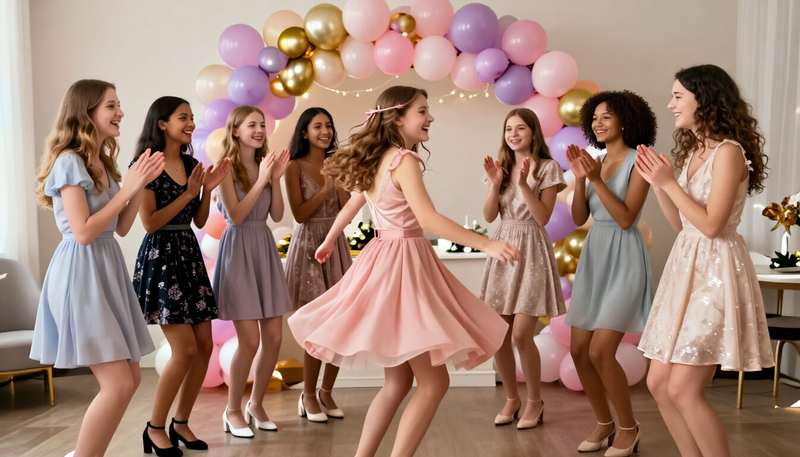 Sweet 16sFun, stylish coverage of a milestone party planned around the birthday teen and her friends.
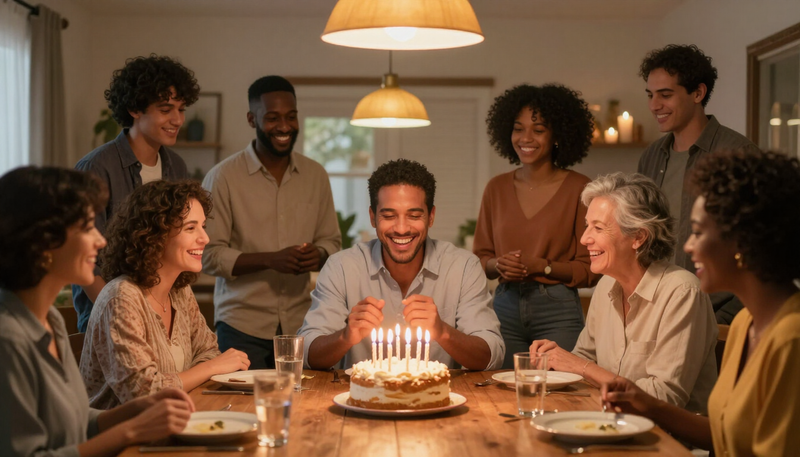 BirthdaysNatural, joyful coverage of birthday parties for kids, adults and milestone celebrations.
 GraduationsThe walk, the cap toss and the hugs that follow.
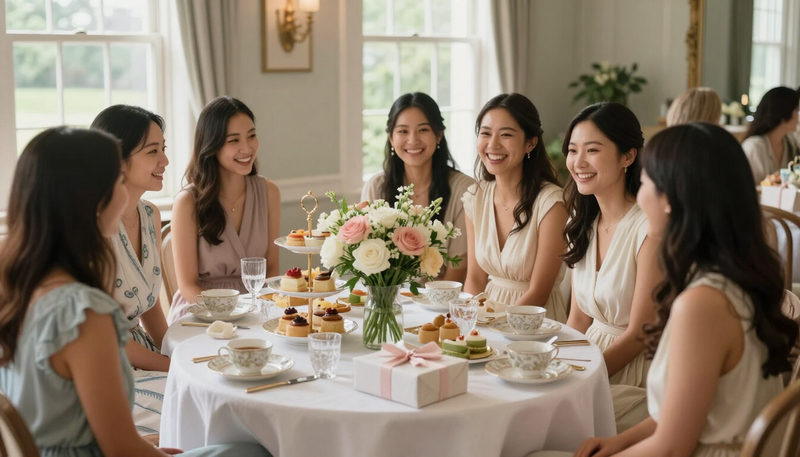 Bridal showersThe laughter, gifts and games before the big day.
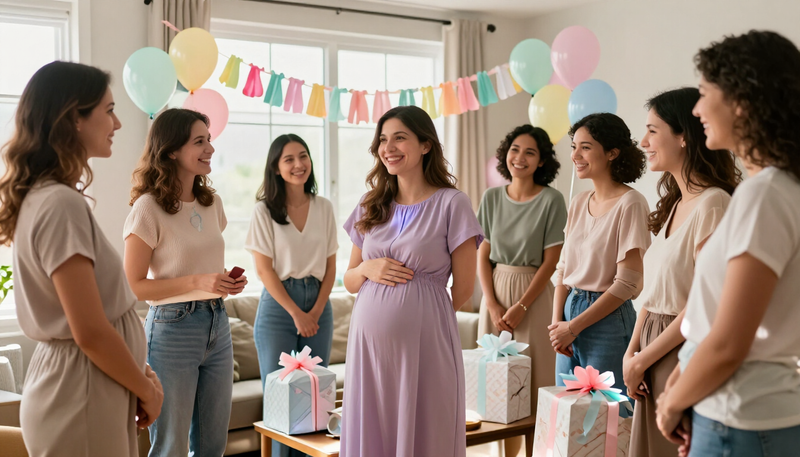 Baby showersGifts, games and the first glimpse of a growing family.
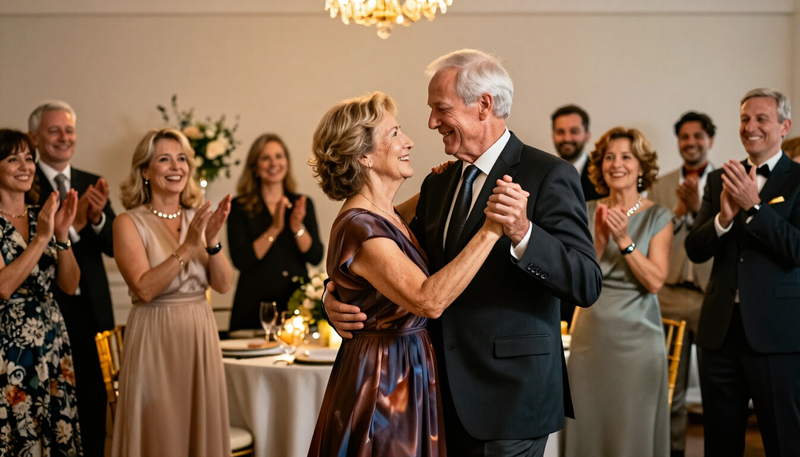 AnniversariesYears together, told through people and stories.
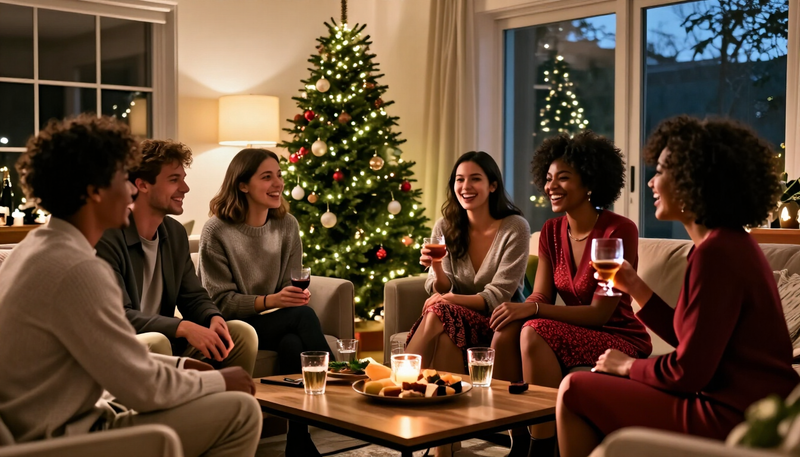 Holiday partiesSeasonal gatherings, from family dinners to company parties.
 PromsRemember the night with portraits, dancing and the details.
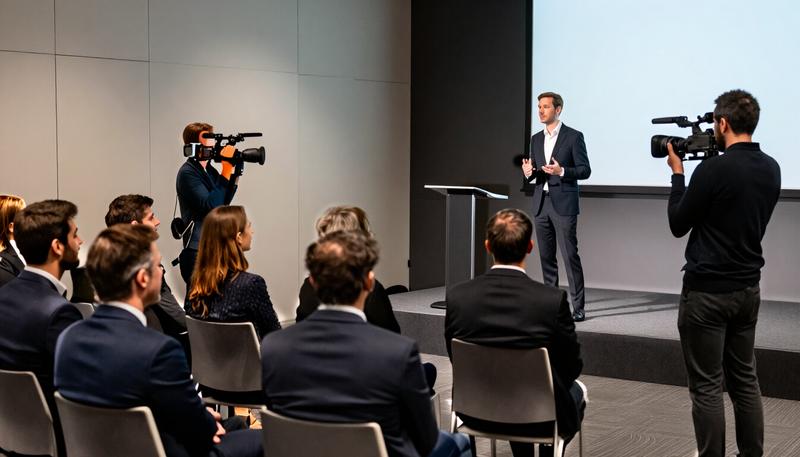 ConferencesShow the speakers, sessions and connections that made the event.
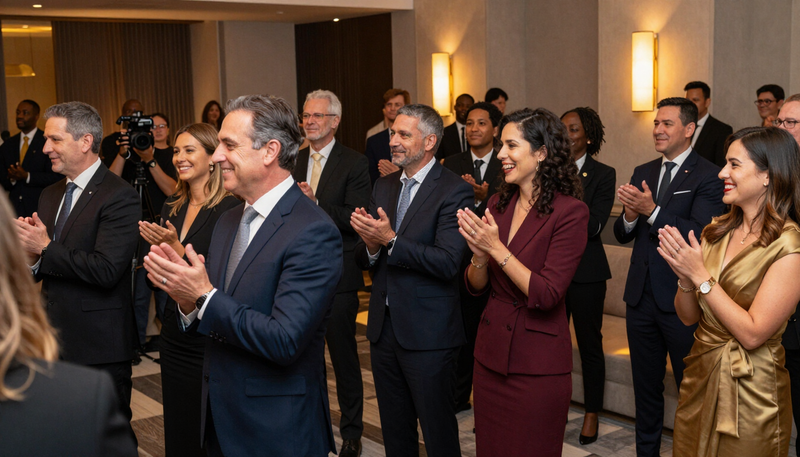 Corporate eventsDocument company milestones, launches and team gatherings.
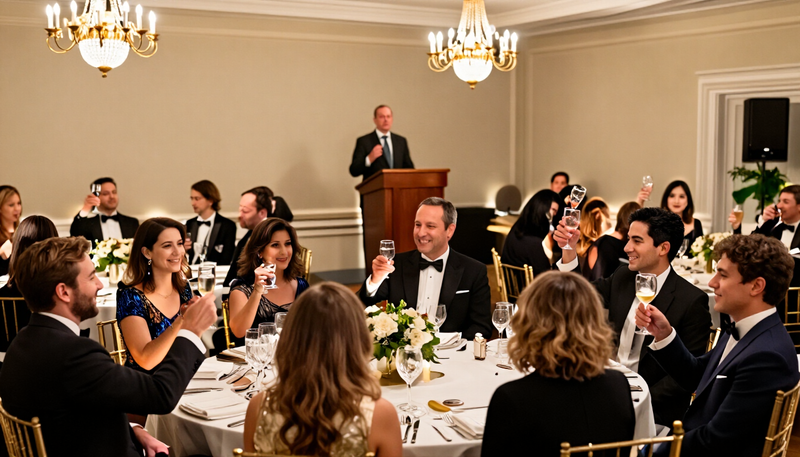 Fundraisers and galasTell the story of your cause and thank the people who gave.
Common questions
Can you record the whole concert?
Often possible if the artist and venue agree. A full-length recording affects planning and the quote.
Will the sound be clean?
That depends on the audio source. A desk feed gives more control than room sound alone, so ask the venue.
Can we post the video online?
Check music rights and permissions with the artist and venue first. We can edit to your platform needs.
Do you use multiple cameras?
It depends on the show and the venue. We will say what we plan after seeing the layout.
Can you make a short clip for tonight?
A quick clip is an option to discuss. It affects how we work and should be in the written quote.
What about a live stream?
Livestreaming is an option to confirm, and needs venue internet, permissions and a separate plan.
Ready to plan your concert videography?
Tell us what you want to make and where it will be used. We will talk through the plan with you.
Keep exploring
Tell us what you want to make.
Email tyler@legendphotoandfilm.com or call 860-255-8802.
Talk about your project