
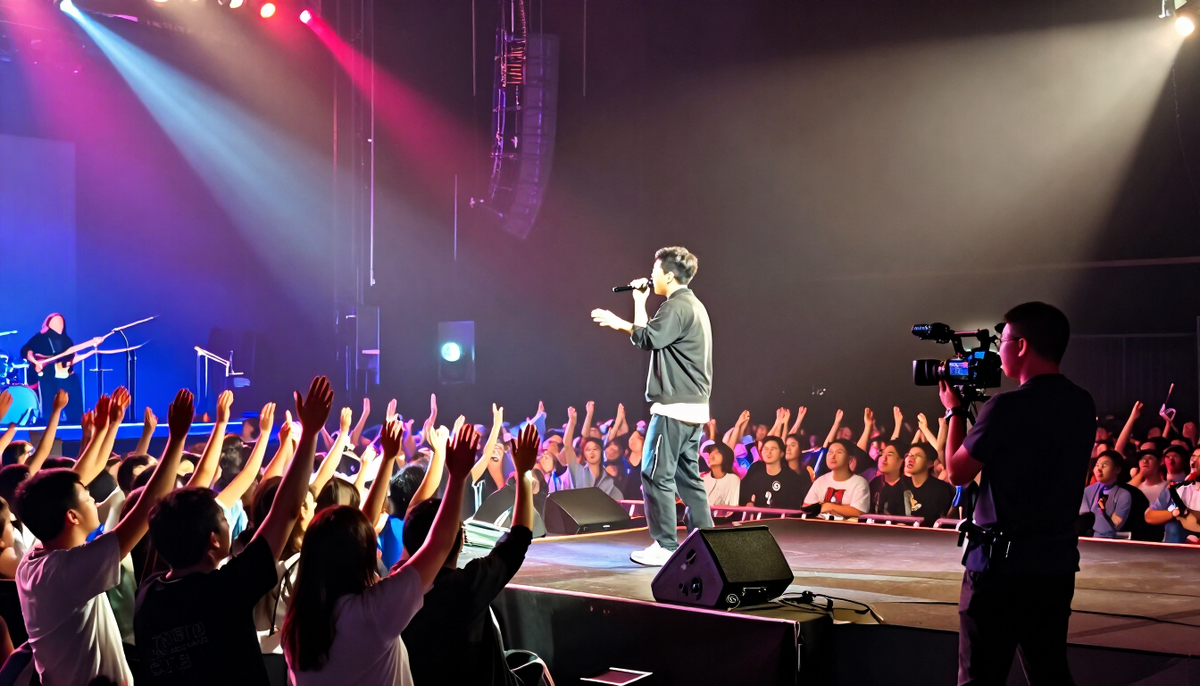
Where the camera is allowed
Some venues give photographers a short window at the start of a set, some allow a position at the side, and some allow movement through the room. The pit, balcony and soundboard are common questions. We ask for the rules ahead of time and write down the plan.
Where we cannot stand, we can still cover the stage from the audience side with longer lenses. The framing is different, and we will say so early.
Stage lighting, from dark to bright
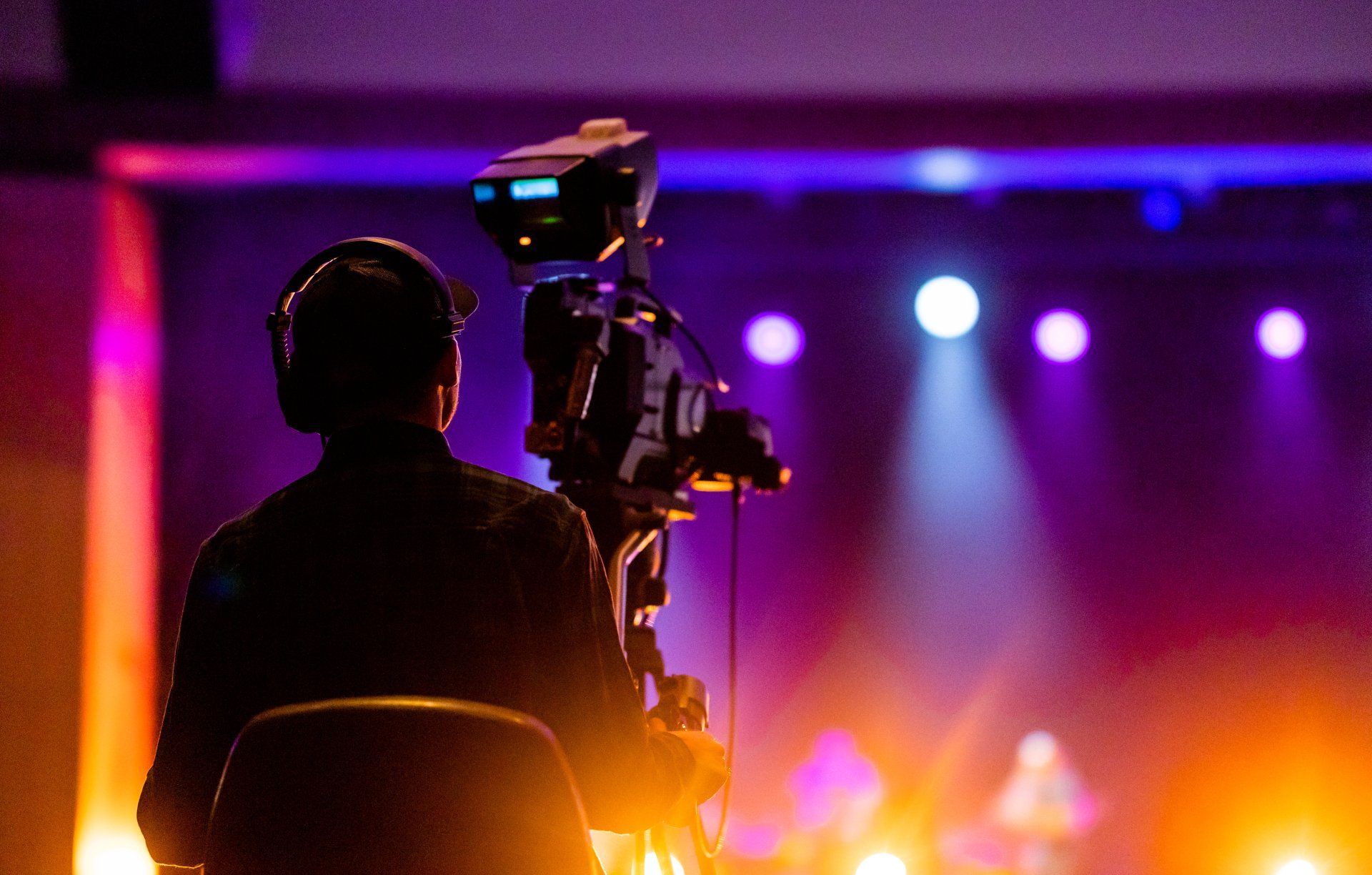
Low, moody light
Dim stages with a single spotlight create strong contrast. We expose for the performer's face and let the background fall off.
Strong color washes
Red, blue and purple lights can overpower skin tones. We watch for color and decide in editing how natural it should look.
Strobes and fast changes
Flashing light makes for exciting pictures and tough timing. We wait for a lit moment rather than shooting blindly.
Daylight festival stages
Bright sun can cast harsh shadows under hats. We shift position to find faces in light.
Questions before you decide?
Tell us what you want to make and where it will be used. We will talk through the plan with you.
Why we avoid flash during a set
Flash can distract performers and annoy the audience, and some venues forbid it outright. We plan to work with existing stage light. If flash is needed for a posed portrait or backstage, we will confirm with the venue and artist first.
Performers, crowd and venue
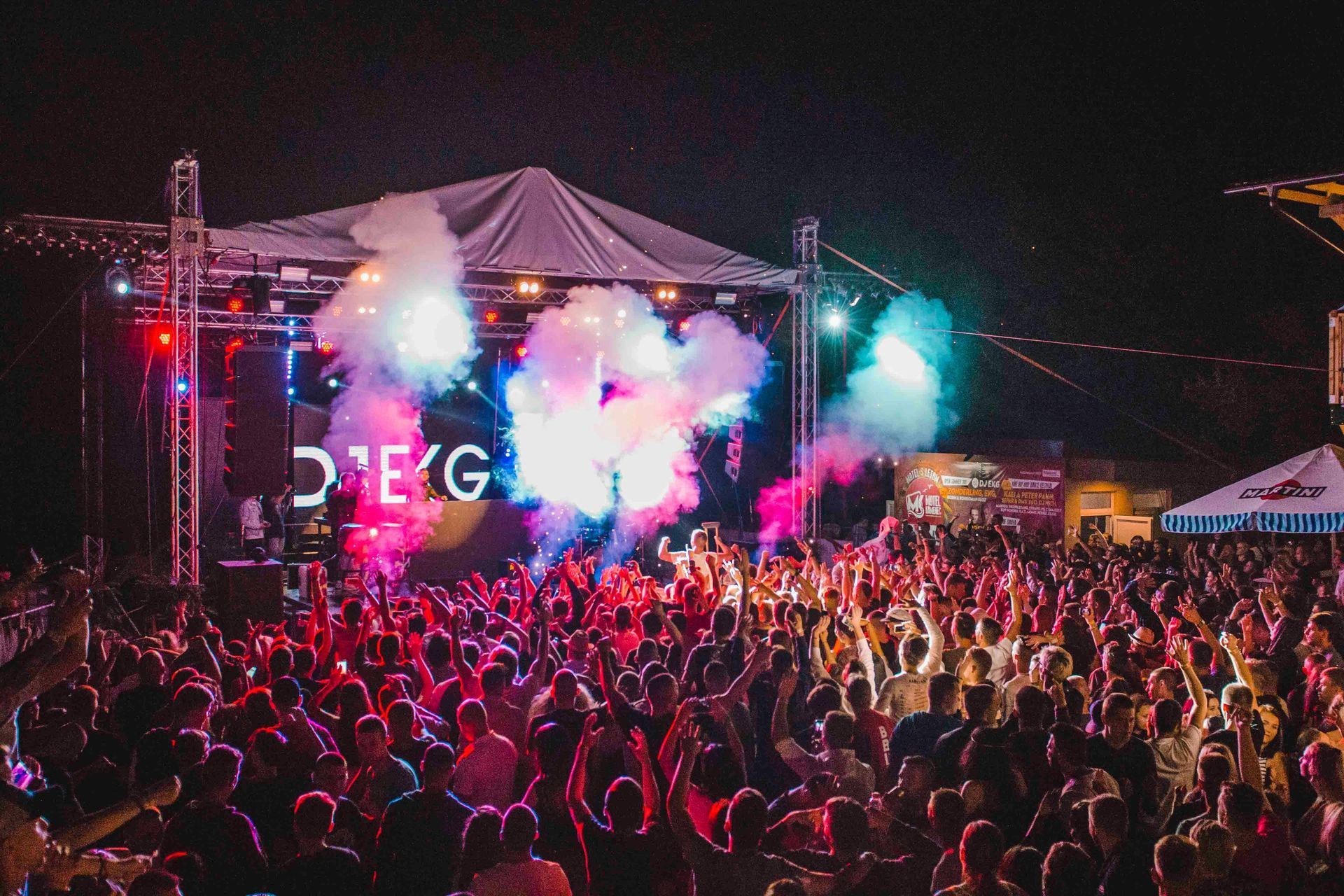
A good gallery covers three things: the performer, the people watching and the place. Close frames show expression and instruments. Wide frames show the size of the crowd and the shape of the room. Detail pictures such as a hand on a guitar neck, a setlist taped to a monitor, or lights above the stage fill in the story.
- Close performance shots for press and promo
- Wide crowd and room frames for venues and promoters
- Details: instruments, merch, signage, gear cases
- Openers and guests, covered fairly
Portraits and backstage
If the artist wants posed portraits, plan a quiet window before doors or after the show. A spot with simple background and good light matters more than time. Confirm with the artist's team whether backstage access is allowed and who may be in the frame.
Fans meeting the artist can also be photographed, but ask the artist's team and the fans whether they are comfortable with it.
Culling, editing and gallery style
A show produces far more frames than anyone needs. We select the strongest and edit for consistent color and contrast. Tell us the look you prefer: clean and natural, high contrast, or moody and saturated.
Decide whether the artist or promoter must approve selections before anything is published. This is common for artists who care about how they appear.
Timing the shutter to the music
Songs have a shape. Quiet verses give faces and instruments room, while a chorus or a drop brings movement and lights together. If we know the set list, we can anticipate the strong moments such as a solo, a jump or a crowd singing back, and be positioned for them.
Delivery options to confirm
Possible deliveries include a private online gallery, a quick selection for same-night posting, social-sized versions, press-ready files and prints. These are options, and the written quote lists what is agreed. Also decide who holds rights of use for each party, such as the artist, the venue and the promoter.
What to ask on the first call
Bring these to the first conversation. The answers shape the coverage and the quote.
- Venue, stage size and layout
- Photographer rules: songs, position, flash
- Lighting designer or sound contact, if there is one
- Which acts and moments need coverage
- Whether posed portraits or backstage shots are wanted
- Look and style preference
- Who approves the selection
- How files will be delivered and who may use them
Also see concerts videography
Concerts videography
A concert film needs good pictures and good sound. We shoot the performance, the crowd and the atmosphere, then shape them into something you can share.
How videography works
Other events we cover
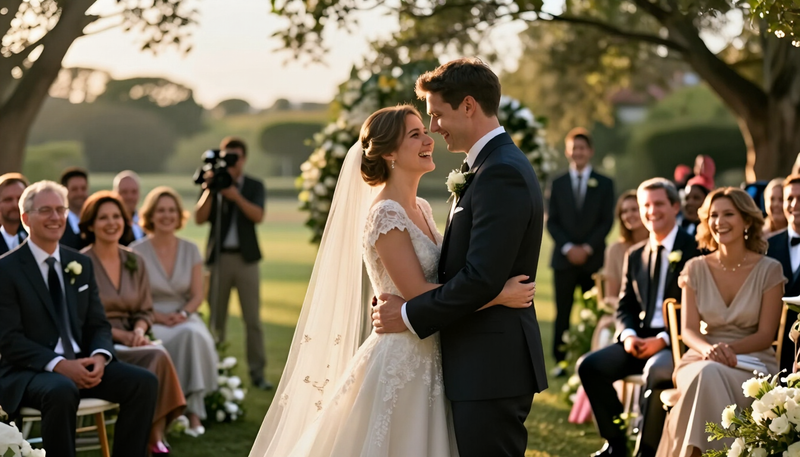 WeddingsPhotos and film that hold on to the people, the promises and the small moments of your day.
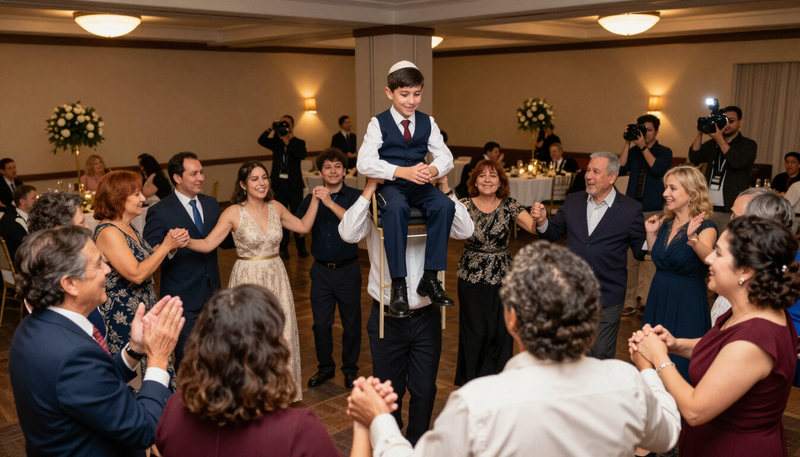 Bar and Bat MitzvahsCoverage of the service, the celebration and the milestone moments that make the day a family memory.
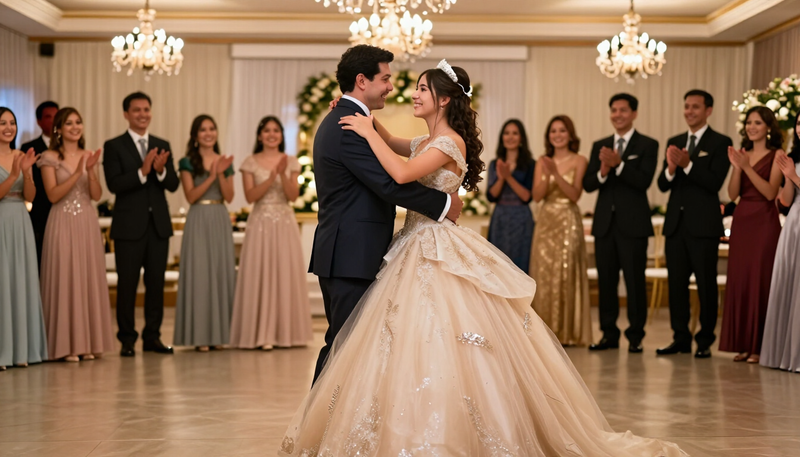 QuinceañerasPhoto and film of the traditions, the dances and the celebration of a girl's fifteenth birthday.
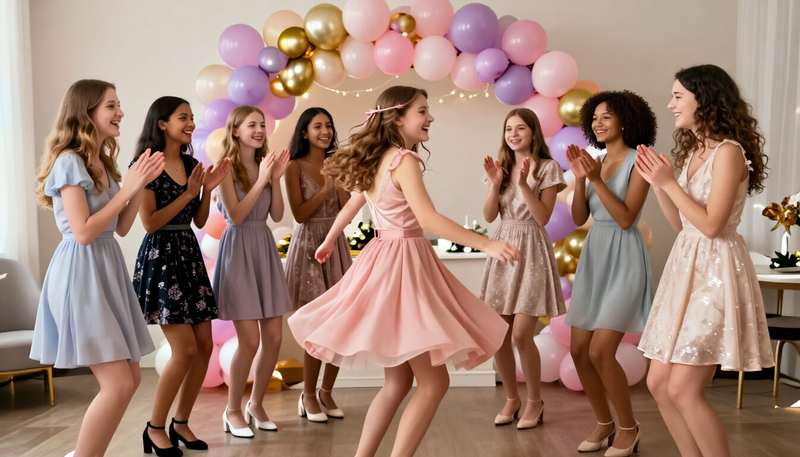 Sweet 16sFun, stylish coverage of a milestone party planned around the birthday teen and her friends.
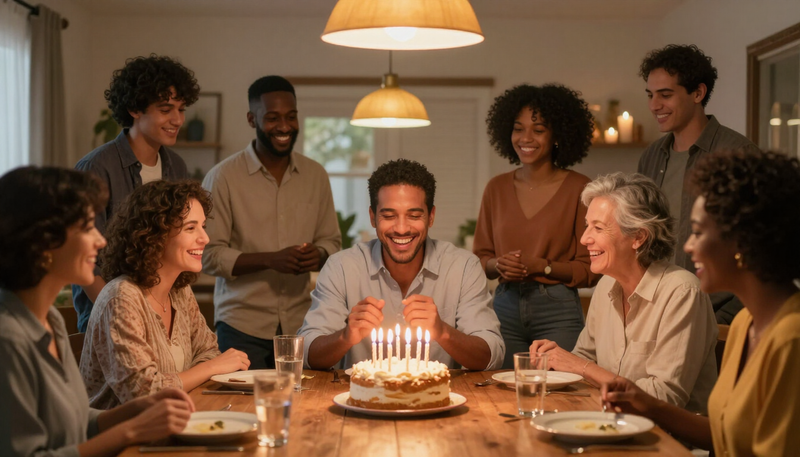 BirthdaysNatural, joyful coverage of birthday parties for kids, adults and milestone celebrations.
 GraduationsThe walk, the cap toss and the hugs that follow.
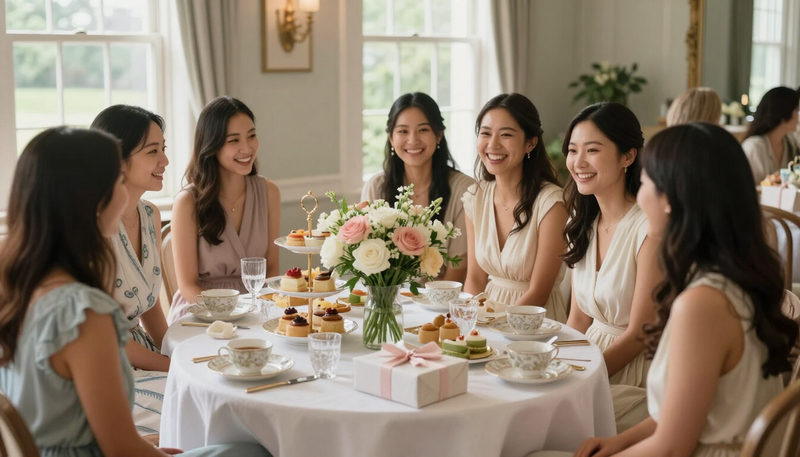 Bridal showersThe laughter, gifts and games before the big day.
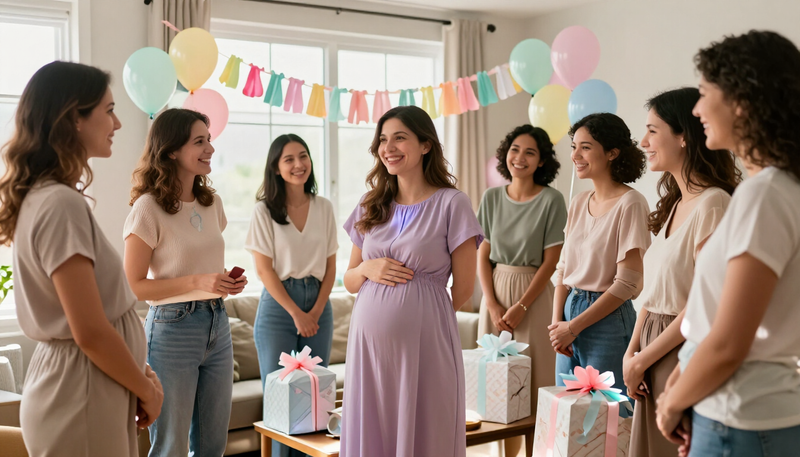 Baby showersGifts, games and the first glimpse of a growing family.
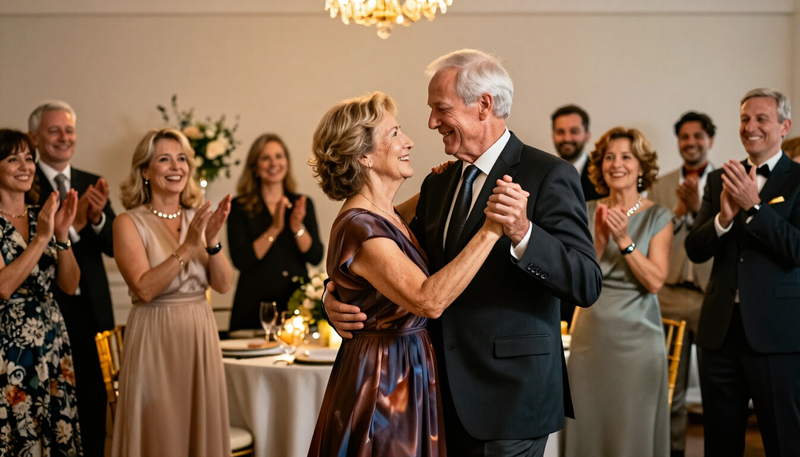 AnniversariesYears together, told through people and stories.
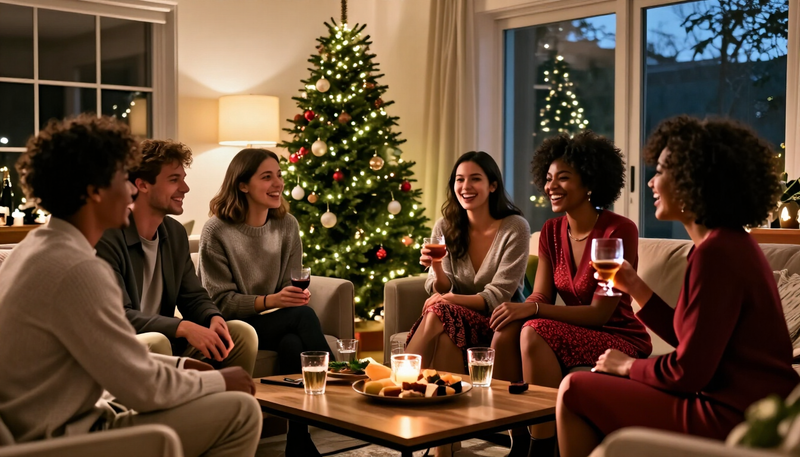 Holiday partiesSeasonal gatherings, from family dinners to company parties.
 PromsRemember the night with portraits, dancing and the details.
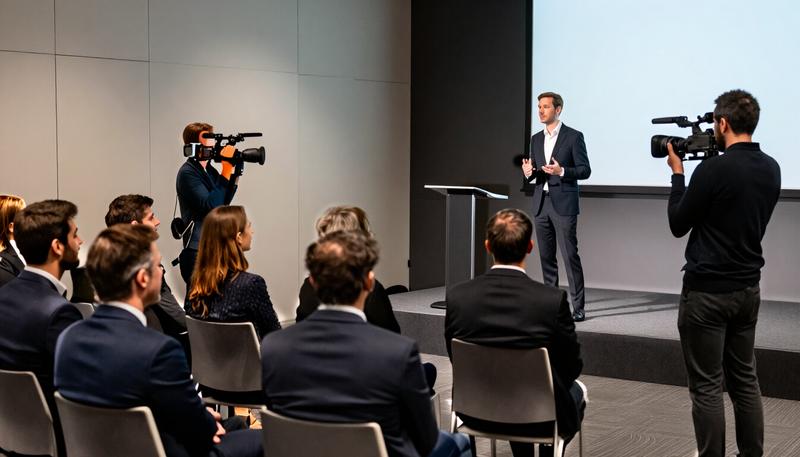 ConferencesShow the speakers, sessions and connections that made the event.
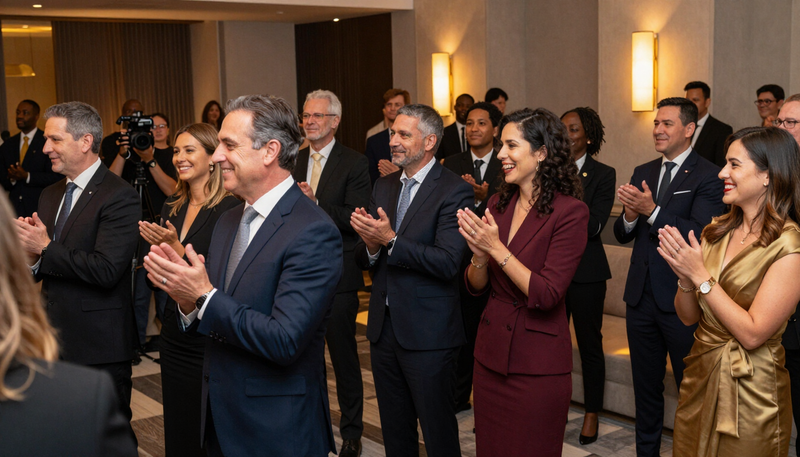 Corporate eventsDocument company milestones, launches and team gatherings.
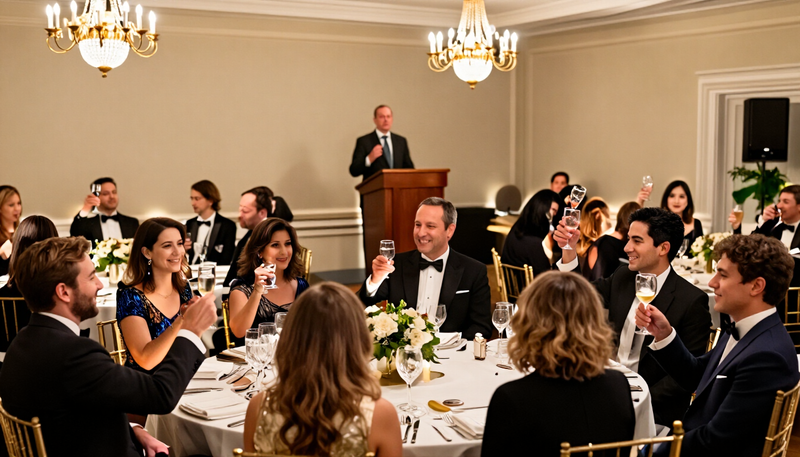 Fundraisers and galasTell the story of your cause and thank the people who gave.
Common questions
Can you shoot in very low light?
Yes. Dim and moving light is normal at concerts, and we plan our approach to it.
Will you disturb the audience?
We aim to stay out of sightlines and keep quiet. Where possible we use the sides or back of the room.
Can you cover several bands in one night?
Yes. Share the lineup and which acts need images. Extra acts affect the plan and the quote.
What if the stage is lit mostly in red?
Heavy color is part of the show. We keep the mood and correct skin tones where reasonable.
Can we get black and white versions?
Often yes. Say so up front and we will include them in the style discussion.
Who owns the photos?
Ownership and usage are agreed in the written quote. Tell us how the artist, venue and promoter plan to use them.
Ready to plan your concert photography?
Tell us what you want to make and where it will be used. We will talk through the plan with you.
Keep exploring
Tell us what you want to make.
Email tyler@legendphotoandfilm.com or call 860-255-8802.
Talk about your project