Weddings
Questions to Ask Your Wedding Photographer Before the Wedding
Twelve questions to ask a wedding photographer before the wedding, with why each one matters: venue, style, package, timeline, family photos, backups, delivery and editing.
By Legend Photo & FilmUpdated 9 min read

A wedding photographer is someone you will spend more of your wedding day with than almost anyone except your partner, so the conversation before the day matters as much as the portfolio. The most useful meetings we have with couples are the ones where they arrive with questions. They are not testing us. They are working out how the day will actually run, and that is the information a photographer needs to do good work.
This is a checklist of twelve questions we think every couple should ask whoever they hire, including us. We explain why each one matters and what a good answer sounds like. It is a buyer's checklist, not a statement of Legend's terms. What we offer for your wedding, including coverage, delivery and fees, is confirmed in writing after we talk.
Why ask before the wedding
When we plan a wedding, almost every problem we can prevent is a communication problem. A family portrait that gets skipped, a ceremony position nobody agreed on, a delivery date that nobody wrote down: none of these is a skill issue. They happen because two reasonable people held different assumptions and never compared them. A list of questions is a cheap way to compare assumptions early.
Fit: venue, style and who actually shoots
The first three questions are about whether this photographer suits your day and your taste. They are also the ones that are hardest to change later.
1. Have you shot at our venue before?
Familiarity with a venue is useful, and it is also not required. A photographer who has worked there before will usually know where the light is good at different times of day, how to move between the ceremony and reception spaces, and what the venue restricts. Some venues limit flash, restrict where photographers can stand during a ceremony, or have areas that are off limits.
If your photographer has not shot at your venue, ask how they would prepare. When we are new to a place, we ask the venue for its photographer guidelines, study the floor plan and arrive early on the day to walk the spaces before guests do. Offering to scout ahead is a good answer.
2. What is your photography style?
Photographers do not all shoot in the same way, and the style decides how the day feels while it is happening as well as how the pictures look. Ask to see complete galleries from full weddings, not only a curated portfolio. A full gallery shows how the photographer handles the parts of a day that are not glamorous: a crowded reception, harsh midday sun, a tight getting-ready room.
Photographers usually describe their style as one of four types, or a blend:
- Documentary or photojournalistic: candid, unposed moments as they happen
- Traditional: classic, posed shots with an emphasis on family and the ceremony
- Fine art or editorial: highly stylized, magazine-worthy images
- Lifestyle: a mix of posed and candid moments with a natural feel

3. Will you be the one photographing our wedding?
Some studios send an associate or a second photographer, and some sell a name and assign a team member later. Confirm who will actually be behind the camera on your date. This is a fair thing to ask any company, large or small.
- Will you personally be shooting our wedding?
- If not, can we meet the lead photographer beforehand?
- Will they shoot in the same style as your portfolio?
Scope: package, timeline and what we need from you
Questions four to six define what you are buying and how the day will be organized. Most of the written agreement comes from here.
4. What is included in our photography package?
Wedding photography packages vary in what they include, so ask for a detailed breakdown and read the contract before signing. We suggest listing the items next to each other so you can compare two photographers fairly:
- Hours of coverage
- Number of photographers
- Engagement session (included or extra?)
- Final image count
- Print rights and licensing
- Delivery timeline and format
5. Can you walk us through the day-of timeline?
Your photographer is part of the flow of your day, so their timing has to line up with your planner, your videographer and your venue. A good timeline gets you the pictures you want without making you feel rushed. Ask the photographer to talk through their own version, and compare it with the schedule you have drafted.
- When will you arrive and leave?
- How much time is needed for portraits?
- Will we do a first look or wait for the ceremony?
- When is the golden hour portrait window?
Sunset is the question people forget. In Connecticut and across New England, the time the light turns warm shifts a great deal between a June wedding and an October one. When we plan a day, we look up sunset for the date and place couple portraits around it instead of guessing. For a full schedule, see our wedding photo and video timeline guide.
6. What do you need from us before the wedding?
Great photography depends on great communication, and the more prepared your photographer is, the better they can capture the day the way you picture it. Ask what they need in advance. The usual list looks like this:
- A shot list of must-have family portraits
- A timeline of the day's events
- Access to the venue schedule
- Names of key family members and the wedding party
- Special traditions, cultural moments or surprises to look out for
The last item is where we spend extra time. A blessing, a surprise performance or a relative who can only stay briefly are things we want to know weeks ahead, not on the day. Tell the photographer exactly when a custom happens and who is involved.
On the day: family photos, backups and other vendors
The next three questions are about how the day behaves when it is busy, when something goes wrong or when several professionals share the same few feet of aisle.
7. How do you handle family and group photos?
Family photographs matter, and they can also be the most chaotic ten minutes of a wedding. The fix is nearly always a plan. Ask how long group photos usually take, how the photographer sequences them and whether the family can help.
- How long will group photos take?
- Can we assign a family member to help round people up?
- What is the most efficient way to structure the group shots?
Our approach is to ask the couple for a short list ahead of time, ordered so that the largest groups come first and people can leave the line as they finish. A relative who knows everyone's faces and is asked to call names saves real time. Keep the list focused on groups you truly want. Every extra combination adds time that comes out of your cocktail hour.
8. What happens if you are sick or have an emergency?
This is an uncomfortable question and an important one. A professional wedding photographer should have a plan in case something stops them from attending, such as illness, a family emergency or a travel problem. It is rare, but knowing there is a plan gives you peace of mind, and a clear answer shows the photographer has thought about it.
- Do you have a network of backup photographers?
- Will they shoot in the same style?
- Will we be notified ahead of time?
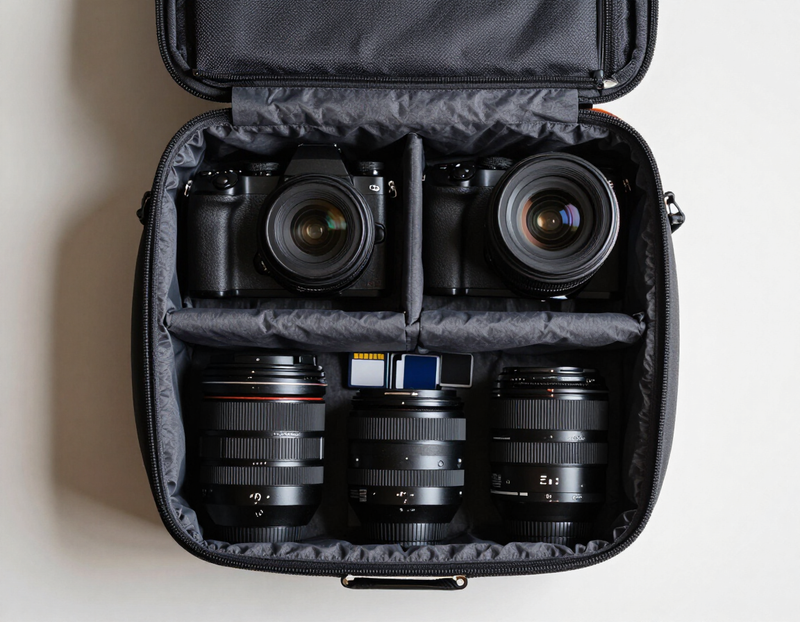
Backups also apply to equipment. Ask about equipment too: what happens if a camera fails, is there a spare body, and are the images written to two cards at once? The photographer should be able to answer that without hesitation.
9. How do you work alongside videographers and other vendors?
If you are hiring a videographer, your photographer and videographer need to work well together. They share the ceremony, the same light and often the same narrow aisle. Good teamwork shows up as smooth coverage and nobody blocking a camera. Poor coordination shows up as missed moments and awkward staging.
- Have you worked with videographers before?
- How do you coordinate shots so you do not step on each other's work?
- Are you open to communicating with our videographer or planner ahead of time?
We ask the same of every vendor on a wedding: who needs to stand where during the ceremony, who is leading the portrait time, and who has the final word on the schedule if it changes. Our post on timeline tips for helping your videographer covers the filming side of the same day, and it is worth sending to your planner and photographer too.
After the wedding: delivery, engagement sessions and editing
The final three questions are about what you receive and what kind of relationship you have with the photographer along the way.
10. How long will it take to receive our photos?
You will be excited to relive the day, and good editing takes time. Clarify what is in your final deliverables so there are no surprises later. We do not suggest comparing photographers on the speed of a promise alone. Ask what the process looks like and get the estimate in writing.
- Sneak peek turnaround
- Full gallery delivery timeline
- How images are delivered: online gallery, USB or cloud
- Whether prints or albums are included
A sneak peek is a small set of images shared soon after the wedding, separate from the finished gallery. Ask how long the online gallery stays available and whether you can download full-resolution files. Get the estimate in writing.
11. Do you offer engagement sessions?
Many photographers include an engagement session in their packages, and some offer it as an add-on. If it is not included, ask whether you can add one and what it involves. These sessions are useful for several reasons:
- Getting comfortable in front of the camera
- Building a relationship with your photographer
- Creating save-the-date or guestbook images
- Capturing a more casual look than your wedding day
12. What is your editing process like?
Every photographer edits differently, and you are not only hiring someone to take pictures. You are hiring someone to create something with your images. Ask how the finished set is made.
- Do you edit every image or just highlights?
- How do you keep your edits consistent with your portfolio style?
- Will we get any black and white or artistic edits?
Consistency is the heart of this question. If a portfolio looks warm and soft but each wedding is edited differently, your gallery may not match the pictures you fell in love with. Ask to see the same editing style in bright and dim light, and what is included if you want one picture retouched.

How to use your answers
Once you have the answers, write them down in one place and compare. For each photographer, list the hours, the people, the deliverables, the delivery plan and what happens if a person or a camera fails. Then look at what remains unclear and ask again. A good photographer is glad to put answers in writing, because it protects them as well as you.
If you are also deciding whether to hire a photographer, a videographer or both, our post on wedding videography versus photography explains what each gives you. If you are still choosing a date or a team, when to book a wedding photographer and videographer covers the timing question without guessing at a deadline. And if you are planning a shoot beyond the wedding itself, such as a bridal shower, our event photography and videography page shows what we cover.
Final thoughts: communication is key to great wedding photography
The best wedding photographs come from clear expectations, strong communication and mutual trust. When you ask the right questions before the wedding, you give your photographer what they need to capture your day authentically, and you give yourself a chance to relax on the day because the plan already exists.
Whether you are finalizing your decision or weeks away from walking down the aisle, use this post to open the conversation. Still searching for a photographer in Connecticut? Contact us to talk through your date, look at our wedding photography and get your questions answered. If you plan to hire for both photo and video, our wedding photography and videography page explains how one team can plan the whole day together.