
Corporate video
Understanding Videography Pricing in Connecticut: What to Expect and Why It Varies
What moves the price of business, corporate and event video in Connecticut: scope, crew, editing, usage and revisions, and how to compare quotes on what each one includes.
By Legend Photo & FilmUpdated 8 min read

The honest answer to what a video costs is that it depends on what you need. A thirty-second social clip, a two-camera interview with a leadership team, and a conference filmed across two days are different projects, and a price attached to the word video does not tell you which one it describes. This post is about business, corporate and event video in Connecticut: what moves the price, how videographers structure it, and how to compare quotes on what each one includes.
We do not show prices here. Earlier versions of this post listed dollar ranges and package prices, but they were not current figures, and your price depends on scope. We quote each project once we know what you need. What follows is the thinking we use when we plan one, and the questions we would ask if we were the ones buying.
Value, not just price
Professional video is an investment in more than someone pressing record. You pay for planning, experience, equipment, time on site, editing and the ability to tell a clear story for your audience. Most of that work happens before the camera turns on and after it turns off, so the days on set are only part of what a quote covers.
A much lower quote can mean compromises in one or more of those areas. It might also be a different project. The useful question is not which quote is cheapest but which quote covers what you need. When we plan a project, we write down the purpose, the audience and the places the video will appear first, because those three things decide nearly everything else.
What affects the price
These are the factors that move a quote up or down. When we talk through scope with a business, we go through each one in turn.
Project type and scope
Corporate shoots may involve planning, interviews and location work. Real estate video is usually quicker. Events depend on duration and key moments. Commercials involve creative development, talent and usage. A planned interview with a script is a different amount of work than documenting an event that unfolds in real time. Our post to the corporate video production process walks through the steps a project usually takes.
Length of the final video
A short social clip needs less production and editing than a longer documentary-style piece. Length is not a straight line, though. A ninety-second brand film that has to say a lot can take more careful editing than a four-minute interview that simply lets someone talk.
Locations and shoot days
Each location adds travel, setup and load-out time, and sometimes permits. A single office is simple. A project that moves between a plant floor, a showroom and an outdoor site adds lighting and sound changes at each stop. Ask whether the quote assumes one location or several.
Crew size
A solo videographer costs less than a team with a director, camera, sound and lighting. Larger projects often need more people for efficiency. We would rather talk through who does what than add people by default. A leadership interview may need one camera and one sound person. A busy event may need several cameras.
Talent
Actors, voice-over artists and models add fees and usage terms. If your own team appears on camera, there is no talent fee, but there is preparation: wardrobe, a quiet space and a few minutes of coaching. Our post on preparing for your first corporate video shoot covers how to get people ready.
Production value and equipment
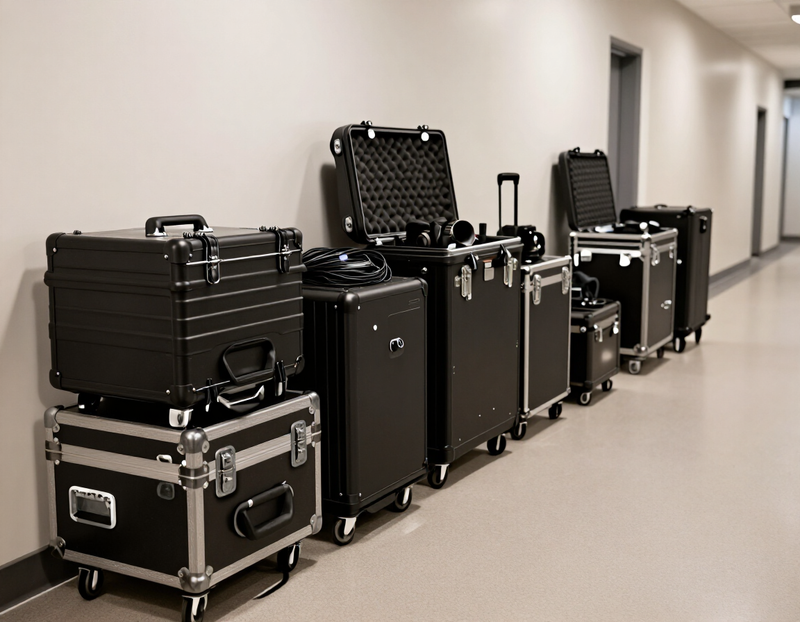
Equipment affects both the look of the video and the number of people needed to run it.
- Camera quality and resolution, such as high-end cinema cameras
- Professional lighting and clean audio, often with dedicated microphones
- Drones, gimbals, sliders and interview lighting where the project needs them
- Teleprompters for presenters and spokespeople
Each piece of gear can improve the result, and each adds to the cost of bringing it. Audio deserves special attention. A viewer forgives a plain picture long before they forgive sound they cannot understand, so we protect the audio plan first when a budget is tight.
Post-production
Editing is often the most time-intensive part of a video project.
- Editing hours, multiple angles and more complex storytelling
- Motion graphics, text and animation
- Color grading and audio mixing
- Music licensing, since commercial use needs licensed or royalty-free music
- Revisions and the final versions you receive
A quote that lists only filming days probably leaves out most of the work. Ask how many hours of editing the quote assumes, and what happens when feedback comes from several people. Gathering comments into one list before sending them back keeps revision rounds short.
Experience and demand
Newer videographers may charge less while they build a portfolio. Experienced professionals with a proven record, specialization or a busy calendar usually charge more. A specialist in a narrow field can be more efficient and also more expensive than a generalist. Neither is automatically right for you. The question is whether their experience matches your project. Our post on choosing a Connecticut video production company gives questions to ask when you compare teams.
Usage rights and licensing
Where and how long you will use the video can affect cost. Wide commercial use, such as broadcast or national campaigns, normally costs more than internal training or a private event. Ask what the quote allows, for how long and where. If you might put a video on your website today and in a paid campaign next year, say so now, because changing the terms later is harder than setting them at the start.
Deliverables and revisions
- Raw footage, if you want it, may be an extra
- A main video plus shorter or vertical versions for social media each take extra editing
- Revision rounds: ask how many are included and what extra rounds cost
Deliverables are where planning can save the most. One well-planned shoot can supply a main film, short clips and photographs, and our post on one shoot, many assets explains how to plan for that. Our post to short-form video for local businesses shows what to film for clips that are meant to be watched on a phone.
Connecticut considerations
Filming in parks, city streets or historic sites may require permits with fees and lead times. A local videographer will know the process. Travel across the state, such as the shore or Litchfield Hills, may add mileage or time, depending on where the videographer is based. New England weather also matters for exterior shots and outdoor events, so we plan indoor alternatives and flexible dates where we can.
Industry shapes the plan as well. A manufacturing floor needs safety awareness, and a healthcare or law office needs privacy planning. Our safety training video guide and employee training video planning show how those environments change the work.
How we scope a project
When we plan a project, we ask the same short list of questions before we think about a number. What decision should the viewer be helped to make? Who is the viewer, and where will they watch? Who appears on camera, and how comfortable are they? Where are the shoot locations, and who gives us access? What versions do you need at the end, such as a main film, short clips and stills? Who approves the edit, and by when?
The answers become a written scope, and the quote follows from it. If your answers change, the scope changes too, and we say so in plain words rather than absorbing the difference quietly. Our approach is to settle the open questions at the start, because those are the ones that cause surprises later. Our corporate video production page describes how this planning fits into the work.
Common pricing models
Hourly or day rate
Suits small, clearly limited tasks such as extra editing or a short interview. Flexible, but the total can be hard to predict if the scope grows.
Project-based flat fee
Suits a defined project. You know the price up front, but it needs a clear brief to avoid surprise changes.
Package
Common for events and some business needs. Simple to compare, but may include things you do not need. For weddings specifically, see our separate post on wedding videography cost in Connecticut, because wedding quotes are built differently.
Retainer
Suits ongoing video needs such as regular social media videos. Gives consistent access, with a longer commitment.
What a package usually includes
Packages differ, so compare what is included.
- Planning or a consultation before the shoot
- Filming on the agreed day or days
- Professional equipment
- Basic editing and color correction
- One main video such as a highlight or promo
- Licensed music and a set number of revision rounds
For an event, the first line often matters most. A conference or gala has no second take, so we ask for the run of show, the speaker list and the places where lighting or sound will be difficult. Our post on event highlight reels explains how an event film is used after the day.
Common add-ons
- Drone footage, where the location allows it
- Separate ceremony, speech or interview edits
- A longer documentary-style edit
- Additional shooters
- Voice-over, motion graphics or social teasers
- Day-to-night transitions for real estate or outdoor shoots

How to get an accurate quote
- Define the purpose, audience, style, length, locations and ideal timeline
- Be open about your budget range so the proposal fits it
- Ask for an itemized proposal covering planning, filming, editing, equipment, travel and licensing
- Ask what is included and excluded, including revisions, travel radius and any extra fees
- Ask to see full samples, not only highlight reels, and what you will receive
An itemized proposal makes comparison fair. If you receive three quotes, turn each into the same list: days on site, people, locations, versions, revisions and usage. Put them in a table and look for blanks. A blank is a question to ask, not a conclusion. Our ultimate guide to corporate video production gives more detail on how a project fits together from brief to delivery.
Why some quotes are much lower
If one quote is far below the others, ask why and what has been left out. The reason may be less coverage, less editing time, a smaller crew, fewer revisions or fewer deliverables. It can also be a different scope entirely. A higher price does not prove higher quality either, so judge the portfolio, the process and the contract.
Red flags to watch for
- No clear contract describing services, schedule, payments and deliverables
- No portfolio, or only generic samples unrelated to your project
- A quote that cannot explain what it includes
- Vague answers on backup equipment, insurance and communication
Booking tips
Know your goals before you ask for quotes. Book early for dates you cannot move, since popular videographers fill their calendars, and ask directly what notice they need. Consider bundling photography and video if you need both, and ask whether it changes the price. Business headshots and team portraits are often easiest to plan at the same time as video, and our post on preparing for team headshots shows how.
If your project involves a specific format, our pages on promotional video, testimonial video and brand story video explain what each one involves. For deciding whether video or photos fit your goal, video versus photo for business engagement compares the two.


