Weddings
Wedding Videography Styles Explained: Cinematic, Documentary or Hybrid
Cinematic, documentary or hybrid wedding video: what each style means, how cinematic editing works, the tradeoffs in audio, order and direction, and questions to ask a videographer.
By Legend Photo & FilmUpdated 10 min read
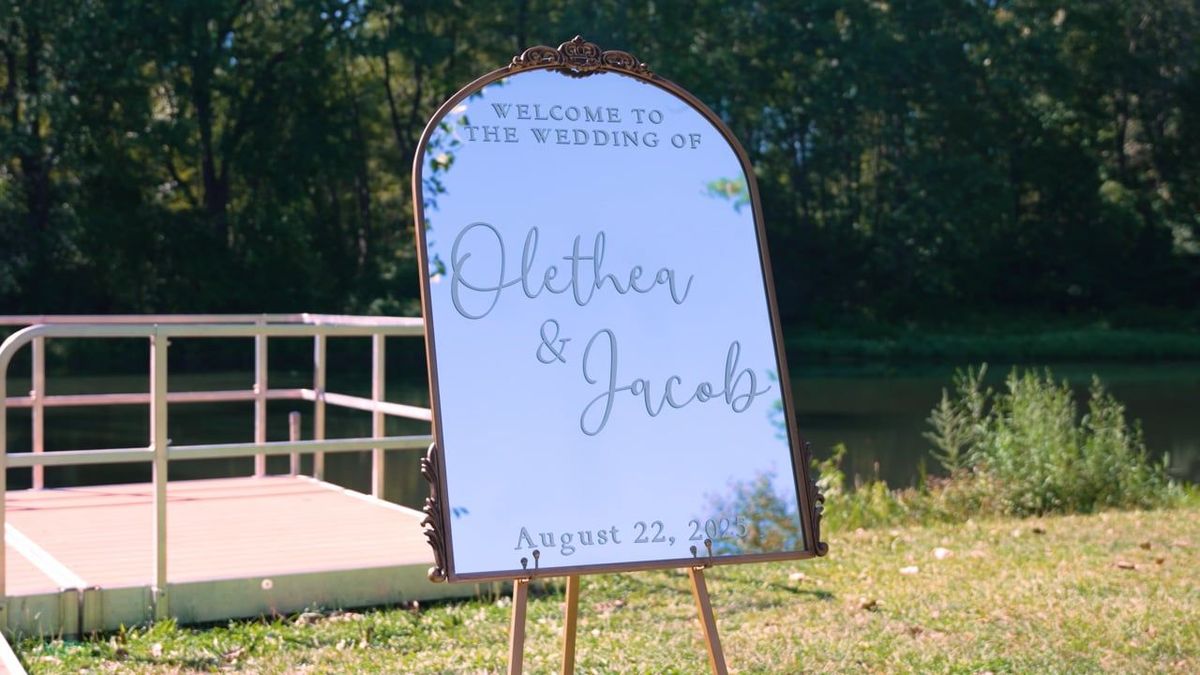
Couples searching for a wedding videographer keep running into three words: cinematic, documentary and, sometimes, hybrid. They sound like labels for quality, but they describe how a video is told. Cinematic leans on crafted storytelling, music and visual polish. Documentary leans on real moments as they happened and the natural sound of the day, and it is still selected and edited. Hybrid borrows from both. None of them is better. The right one is the one that matches how you want to remember your wedding, and understanding the differences makes your first conversations with videographers far more useful.
This guide compares the three approaches, explains what actually happens in the edit, covers the practical tradeoffs in audio, direction and chronology, and ends with questions you can bring to a call. It is about style, meaning how the story is told. How long a video runs, and whether you receive a teaser, a highlight or a full-length edit, is a separate decision that we cover in our guide to teaser, highlight and full-length wedding videos. Most couples make both decisions, and they affect each other, so we point out where.
What do cinematic, documentary and hybrid mean?
These terms have no official definition, and videographers use them differently, so treat them as ends of a spectrum and not as boxes. Here is how we use them.
- Cinematic: a video shaped like a short movie. The editor decides what the story is, selects the moments that serve it and arranges them for emotional effect, often with music carrying much of the mood. Chronology can be bent, so a line from the vows may play over the getting-ready footage.
- Documentary: a video that follows the day in the order it happened and leaves the moments largely as they were. Natural sound, speeches and ceremony words are kept, and the editor's job is to condense and clarify without rearranging.
- Hybrid: a video that mixes the two. It might follow the day in order but lift a few spoken lines for emphasis, or use music through the preparation and the party and natural sound through the ceremony.
A useful test is to ask where the story comes from. In a cinematic edit the story is built in the edit. In a documentary edit it is found in the day. In a hybrid the day supplies the moments and the edit shapes how they are felt.
How do the three styles compare?
Here is the comparison that matters most when you watch samples.
- Sound: cinematic videos often use music to carry much of the mood, though many keep strong, clean natural audio too. Documentary videos tend to favor the sound of the room. Hybrid videos move between the two.
- Order: cinematic edits more often rearrange moments. Documentary edits commonly follow the day's order, though some do not. Hybrid edits often keep the order and rearrange only where it helps.
- Pace: cinematic edits tend to be tighter and more rhythmic. Documentary edits give moments room to run.
- Direction on the day: cinematic work often benefits from a few staged or repeated moments, such as a walk or a quiet shot of the two of you, so the editor has material to build with. Documentary work usually asks the videographer to stay out of the way and record what happens, with guidance agreed beforehand where it helps.
- What you rewatch: both can be emotional and worth watching again. A documentary approach emphasizes real moments as they unfolded, while a cinematic approach is usually more visibly stylized in how it structures them. Both are selective and edited.
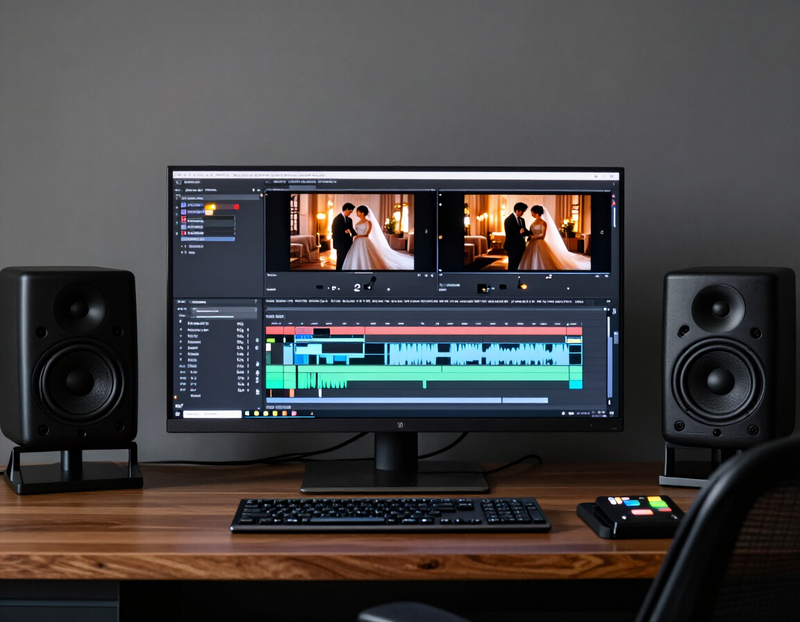
How are wedding videos edited to look cinematic?
When couples ask how a wedding video is made to feel cinematic, they usually mean a mix of five decisions that happen in the edit. Understanding them also helps you judge sample videos.
Selection
A wedding day produces hours of footage, and a cinematic video uses a small share of it. The editor chooses moments that carry the story and leaves out many good ones. This is why a video can feel richer than the raw footage and also why it cannot show everything. If a particular moment matters to you, say so in planning. We ask for that list before the day.
Narrative
Cinematic editing looks for a through-line: a feeling that builds, a relationship between two people, a place that frames the day. The editor often finds it in the audio, such as a line from a letter, a toast or the vows, and arranges pictures around it. A video with a clear through-line feels intentional. One without it can feel like a pleasant sequence of clips.
Pacing
Pacing is the rhythm of cuts, the length of each shot and the spaces between them. Quick cuts raise energy, and longer shots let a feeling land. A cinematic edit varies the pace deliberately, usually building toward the ceremony or a speech and easing off after it. Rushing the pace to be impressive is a common mistake, and a quiet shot held a moment longer is often the one people remember.
Sound
Music is one of the strongest tools a cinematic editor has, and it brings a practical issue: a song you love may not be available to license for a video. Sound also includes the real audio, such as vows, laughter and a parent's toast. Clean recording on the day decides what the editor can use, which is why we plan microphones with couples. Our post on writing vows that sound good on video explains how that works.
Color and look
Color grading shapes the mood of the picture: warmer or cooler, brighter or more muted, and consistent from one location to the next. A grade should serve the day instead of overpowering it. Skin tones, the dress and the light of the venue should still look like themselves. When you review samples, notice whether the look is consistent from scene to scene and whether it suits the kind of wedding you are having.
What the couple chooses
You do not need to specify these in technical terms. You choose the feeling, the moments you must have, whether to hear real vows in the video, and how much of the day should appear in order. The videographer turns those preferences into edit decisions. Our approach is to talk through them early and confirm what you will receive in writing.
What are the real tradeoffs of each style?
Every style gives something up, and a good videographer will tell you what.
Audio
A cinematic video can use a few lines of speech over music, so it needs those lines recorded cleanly but not everything. A documentary video depends on audio throughout, so a poorly recorded toast is a bigger loss. If your venue is loud, echoing or outdoors in wind, ask how the sound will be captured. Our guide to helping your videographer capture everything covers the schedule side of audio.
Posing and direction
Cinematic work often asks for short, relaxed directed moments, such as walking together or a few quiet seconds, so the editor has material to shape. Some couples enjoy that and others feel awkward. A documentary approach usually asks for less staging, though it can still involve guidance, and it gives the editor mostly what the day offers. A hybrid asks for a little direction at a few chosen points. Think about how you feel being asked to repeat a moment, and tell your videographer.
Chronology
A cinematic edit can open with the end of the vows and then go back to the morning. That can be moving, and it can also confuse relatives who want to see the day unfold. A documentary edit commonly follows the day in order, which keeps it plain, though some documentary videos are also artfully rearranged. If you expect people who were not there, such as a grandparent who could not travel, to watch, a clearer order may matter more than a clever structure.
Music and vows
In a cinematic video, music can overshadow speech, so check whether you will hear your vows at all and how much. In a documentary video, you are more likely to hear them as spoken, with whatever else was in the room. Neither choice is wrong. Decide which you would rather keep.
Story
A cinematic video tells one story and may leave out parts of the day, such as a long speech or a quiet corner of the reception. A documentary video often includes more of the day and is shaped less visibly, though it is still edited. A hybrid keeps more of the day while still choosing a few moments to feature. Neither style is only about feeling or only about record, so describe what you want to keep and agree the approach with your videographer.

Which style fits which kind of couple?
These are hypothetical examples, not clients, to show how the decision tends to work.
- A couple who rewatch their wedding every anniversary and want a short video that sets the mood may lean cinematic, with a few vows lines kept.
- A couple with older relatives who want to hear every toast may lean documentary for the ceremony and speeches, even if the highlights are edited more freely.
- A couple who want both, a video to rewatch and a record to keep, may choose a hybrid highlight with a longer documentary edit of the ceremony and speeches. That combination is usually a question of format and budget as much as style.
If you cannot decide, start from how you watch things. Do you like a video that moves you, or one that shows you exactly what happened? Most people have a clear answer once they ask it that way.
How does style relate to record length?
Style and length are different decisions that interact. A teaser is short by nature, and many are cinematic because there is little time, but a teaser can also be built from natural moments and sound. A highlight video can be cinematic, documentary or hybrid, though its few minutes force selection, so it tends toward a cinematic shape. A full-length video usually follows the documentary approach, because it is meant to record events in order. When you hear a videographer say they do a documentary video, ask whether they mean the style or the length, since the word is used for both. Our guide to wedding video formats sets out the lengths and what each includes, and we do not repeat it here. A packages guide shows how those formats turn into a written quote.
How should you evaluate a videographer's style?
Samples tell you more than any description. Watch a few full videos and not only the trailer, and try the following.
- Watch one video with the sound off. Do the pictures hold your attention and show real moments?
- Watch it again with the sound on. Is the speech clear when it appears, and does the music help or crowd it?
- Notice the order. Can you follow the day, or does the video jump around in a way you would not want?
- Look at two videos from different weddings. Do they feel alike because of the videographer's style, or do they respond to the couples and venues?
- Check whether the video shows the whole room or only the couple, since a documentary approach pays more attention to the guests.
You can watch our own wedding videos on our wedding videography page, and the broader picture of what we offer is on our wedding videography and photography page.
What should you ask a videographer about style?
Bring these to the first call.
- How would you describe your style, and which of your videos is closest to what I described?
- How much of the day appears in order, and how much is rearranged?
- Will we hear our vows and toasts in the video, and how do you record them?
- How much direction do you give, and how much is staged or repeated?
- Which moments do you plan to feature, and can we give you a list?
- Who chooses the music, and what happens if a song cannot be licensed?
- How many versions will we receive, and how does the style change between them?
- What is included in revisions, and when can we give feedback?
Our shot list guide helps with the moments question. If you are comparing prices as well, see how wedding videography cost is built, since style affects editing time.
Frequently asked questions
Is cinematic better than documentary?
No. They answer different wishes. Cinematic videos are usually more visibly stylized in how they structure the day, and documentary videos emphasize real moments as they happened. Both can be emotional, and both are edited. Many couples want some of each.
Can a wedding video be both cinematic and documentary?
Yes. That is what a hybrid does, and it is common. Ask the videographer how they blend the two, since the balance varies.
Will we hear our vows in a cinematic video?
It depends on the edit. Some videos use a few lines over music and others keep a full vow. Tell your videographer which you prefer and make sure the audio will be recorded cleanly.
Does a cinematic video cost more?
Style is one of several factors. Editing time, the number of versions, the crew and the coverage all matter. Ask for a written scope so you can see what each choice adds.
Can we change our minds about style after the wedding?
The footage records what happened, but the style is set by how it is edited and by what was recorded on the day. Decisions like microphones and directed moments are made beforehand, so it is best to choose early.
Is this the same as choosing a teaser, a highlight or a full-length video?
No. Style is how the story is told. The format is how long it runs and what it contains. You can see the formats in our film types guide.